
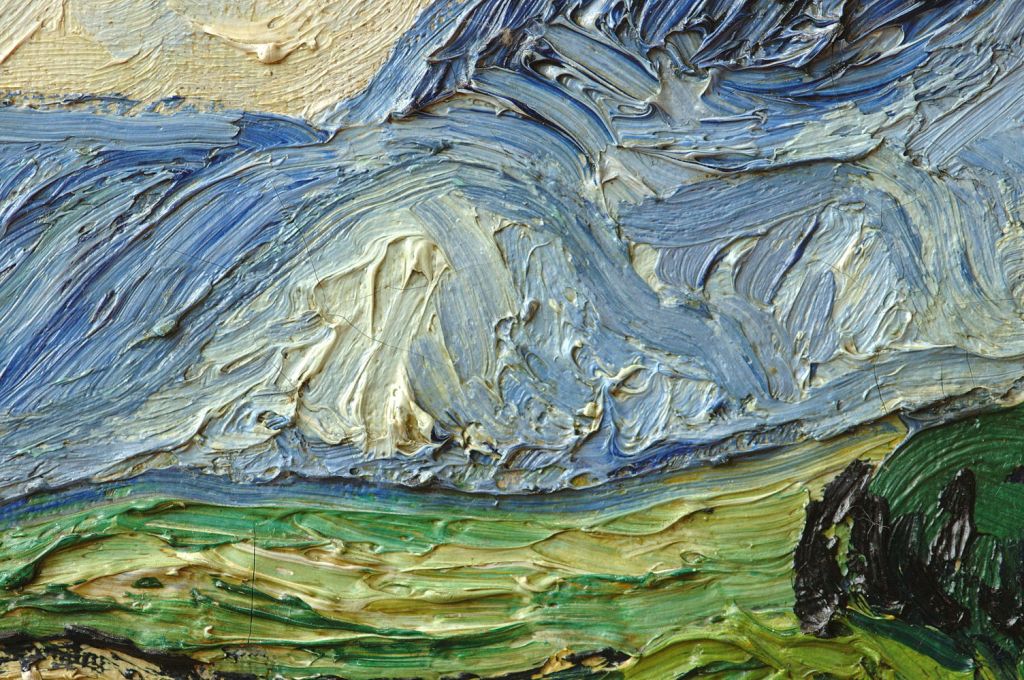
Until the nineteenth century, most oil paintings intended to be seen by the public concealed the brushstrokes and other marks made by the artist during their creation. As that changed most noticeably when the French Impressionists were active, it’s sometimes believed they led a revolution in style that made visible brushstrokes and other marks desirable. This series traces the origins and history of what’s commonly known as painterly style over the course of five centuries of European painting, and this article provides a summary and links to individual articles.
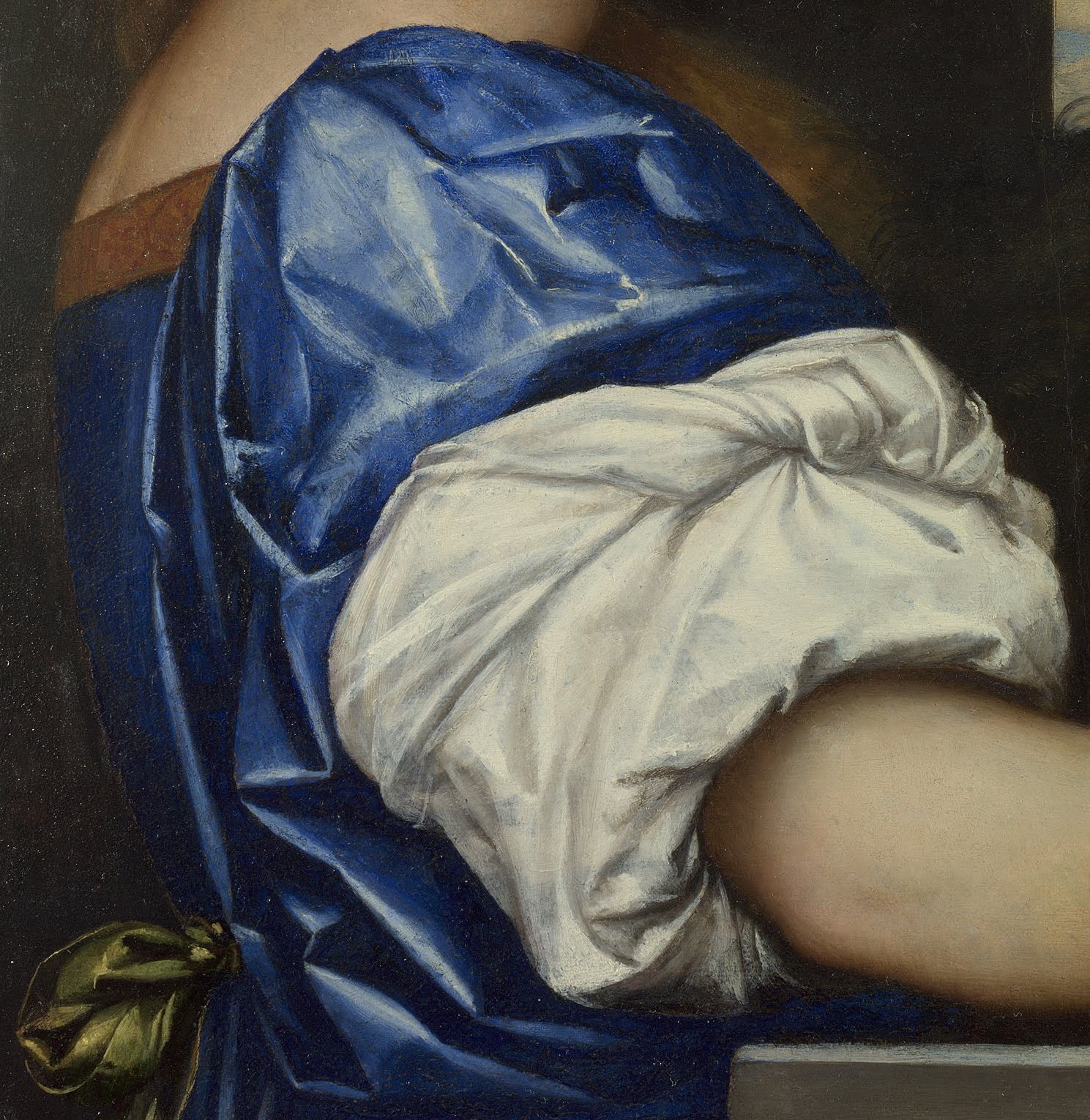

In the Northern Renaissance, painterly brushstrokes were rarely seen, except in small passages. By the early sixteenth century, several painters were leaving brushstrokes and other marks in their oil paintings, most typically when depicting textures in hair and fabrics.
Painting by Jan van Eyck, Giovanni Bellini, Sebastiano del Piombo and Parmigianino.
Innovators of the first century
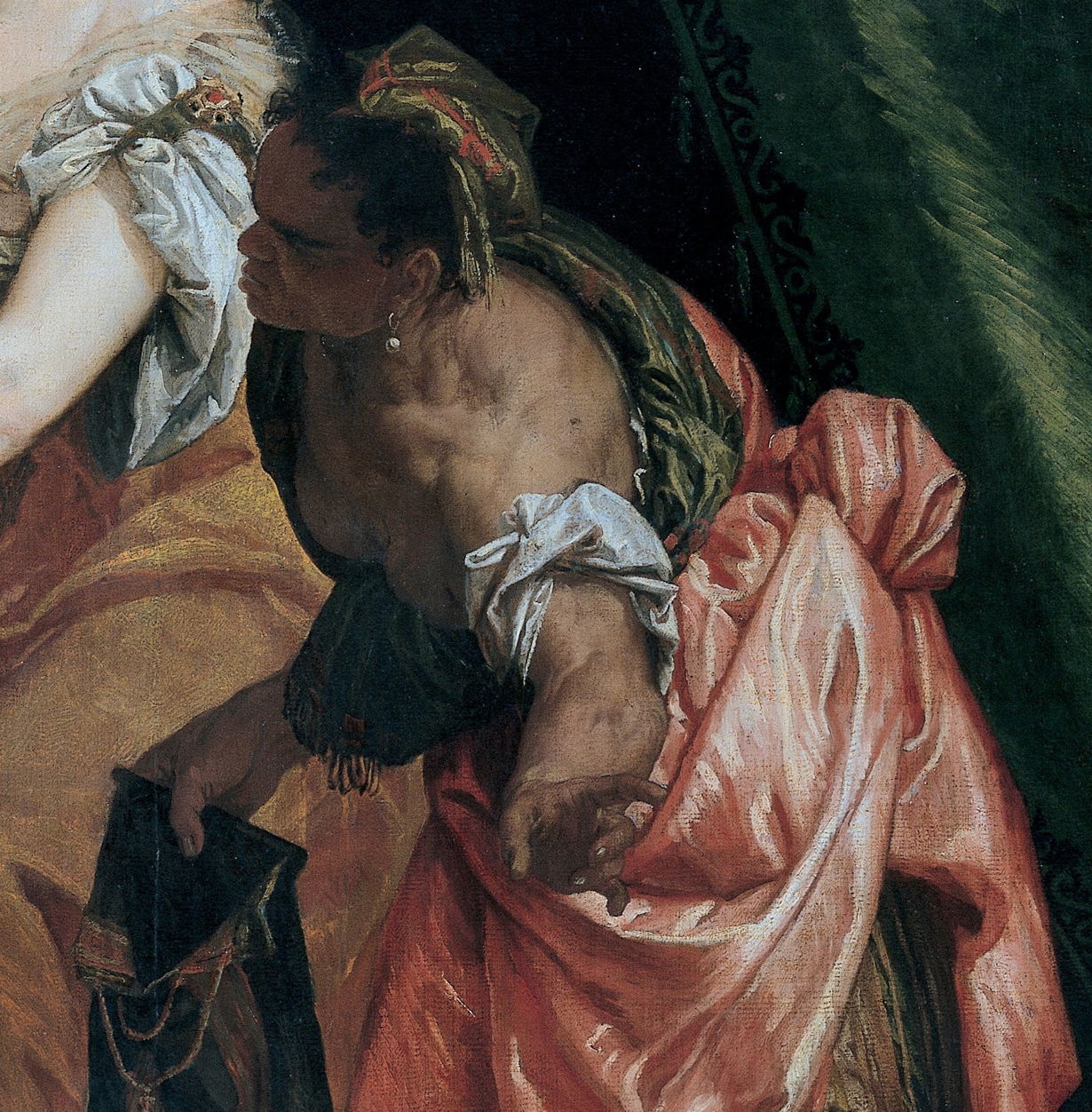
During the sixteenth century, painterly style developed mainly in Venice rather than in Florence.
Paintings by Dosso Dossi, Jacopo Bassano, Titian and Paolo Veronese.

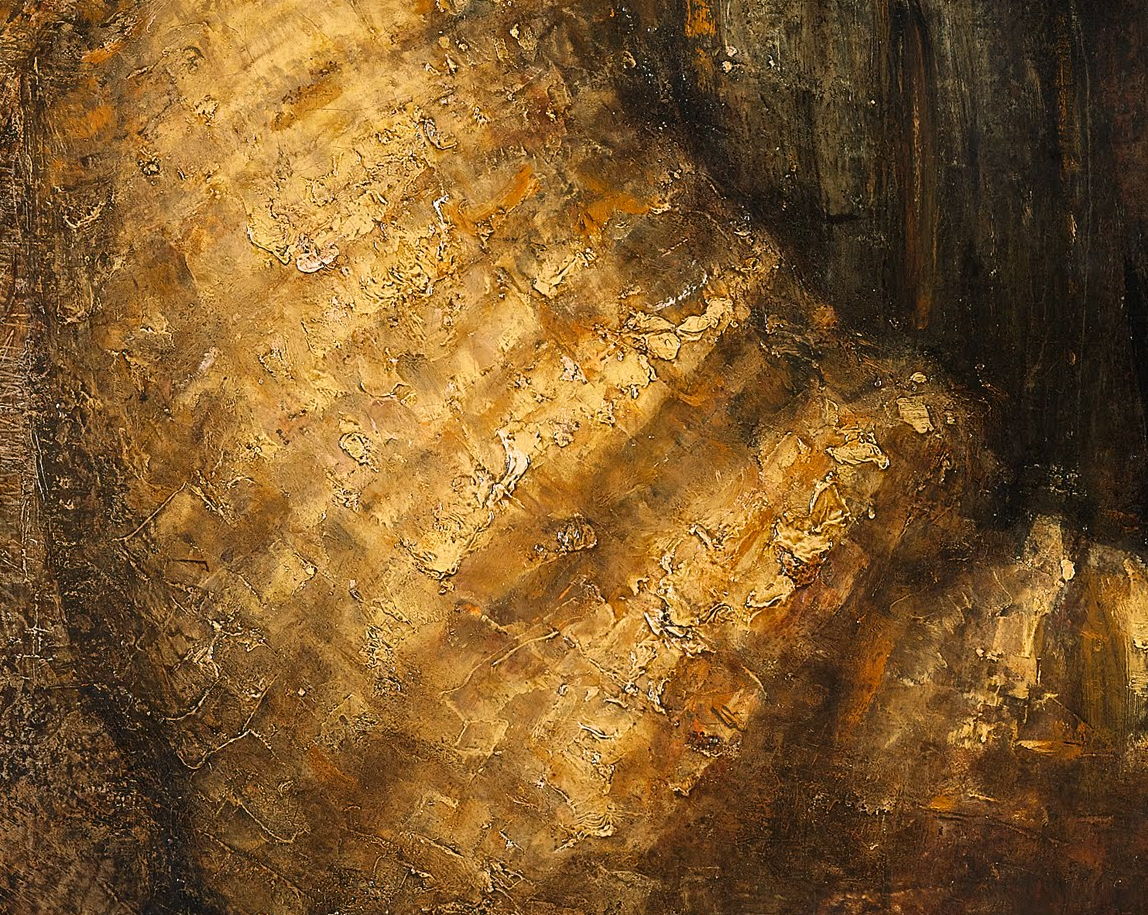
Although El Greco often painted loosely, Rubens tended to confine his brushstrokes to sketches, and Rembrandt was probably the first major artist to intentionally leave prominent passages in finished paintings with obvious brushstrokes and other marks.
Paintings by El Greco, Peter Paul Rubens and Rembrandt.
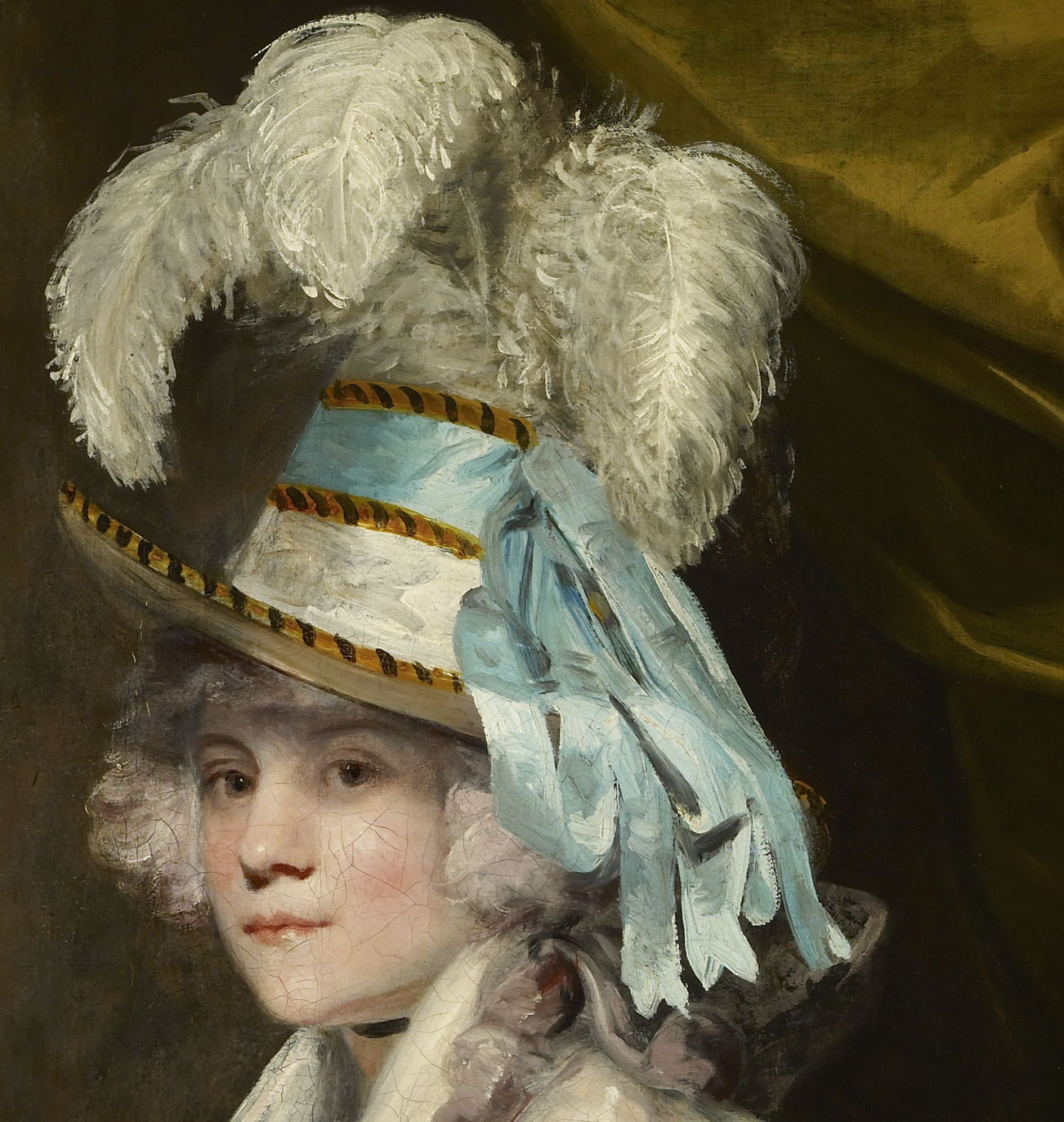
Brushstrokes and marks became popular in textiles, hair and the background of portraits during the eighteenth and nineteenth centuries.
Paintings by Thomas Gainsborough, Joshua Reynolds, Angelica Kauffmann, Jacques-Louis David and James Tissot.

John Constable only revealed brushstrokes in his studies and sketches, not in finished works, but JMW Turner’s major paintings became highly painterly later in his career, from 1812 onwards.

Paintings by John Constable and JMW Turner.

At first Delacroix followed the tradition of painting only his studies loosely, and retaining a tight academic style in his finished works. From 1825 he exhibited increasingly painterly works, including some that anticipated Expressionism and were far in advance of their time.
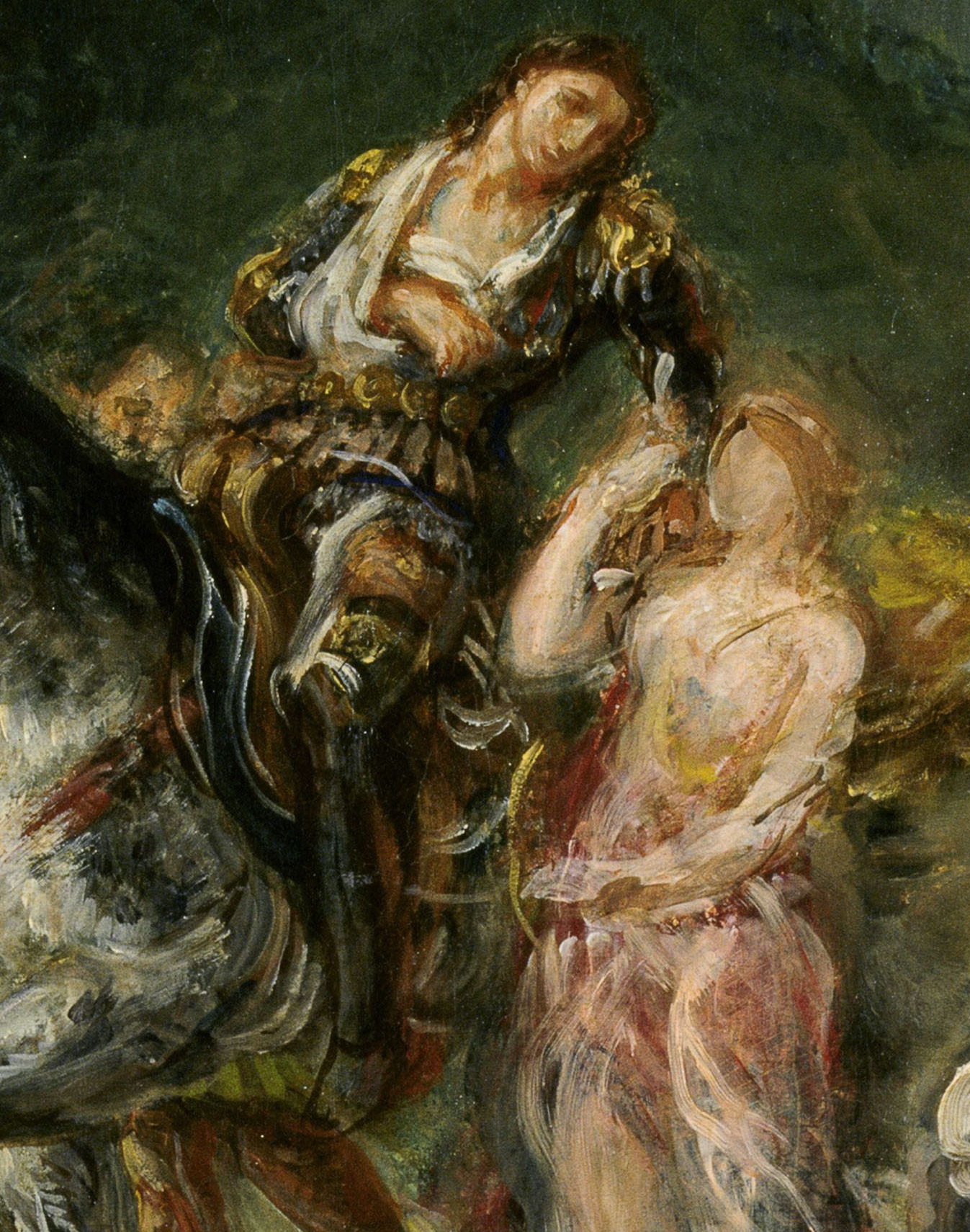
Paintings by Eugène Delacroix.
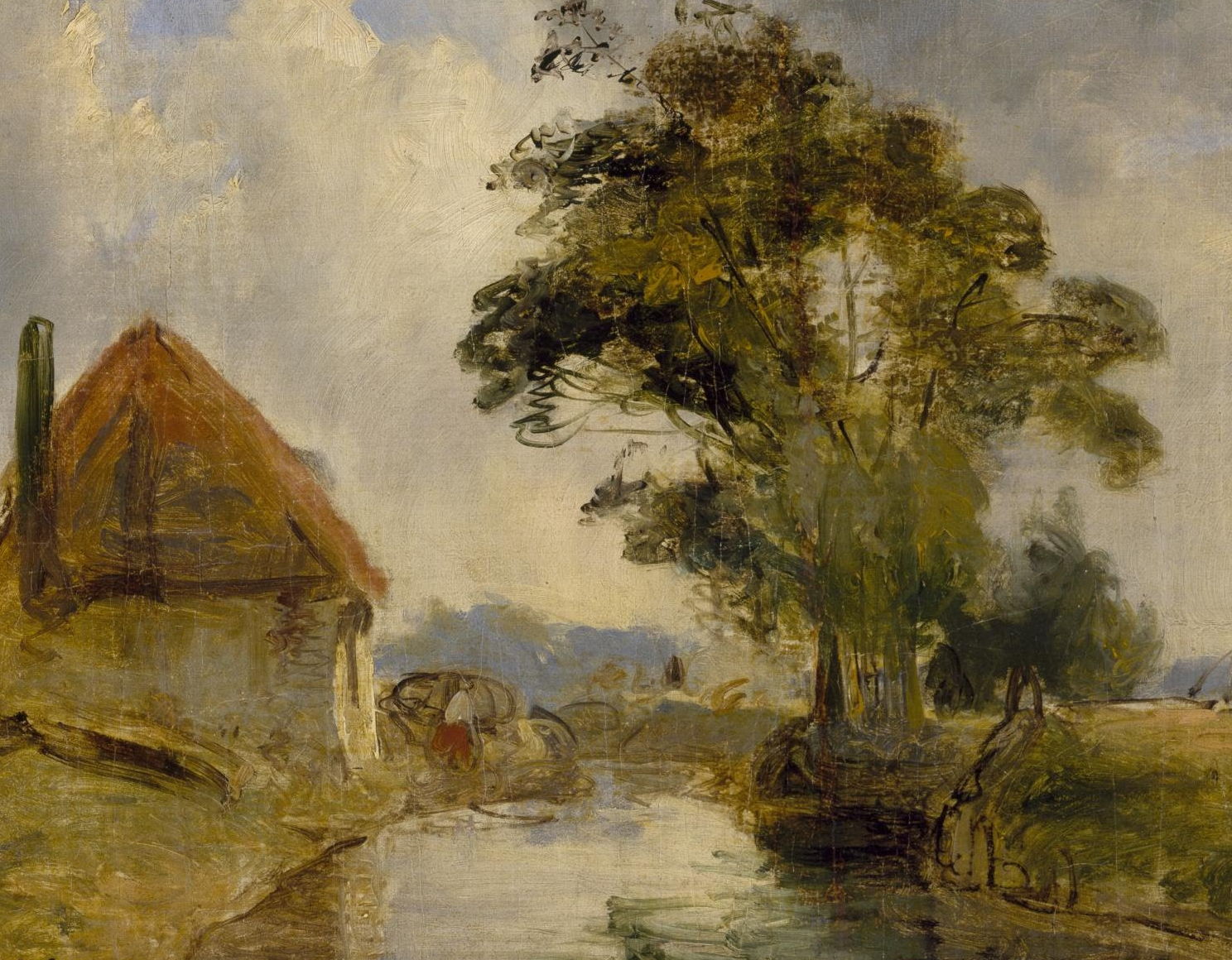
Landscape paintings became increasingly painterly between 1850-70, the years before Impressionism.
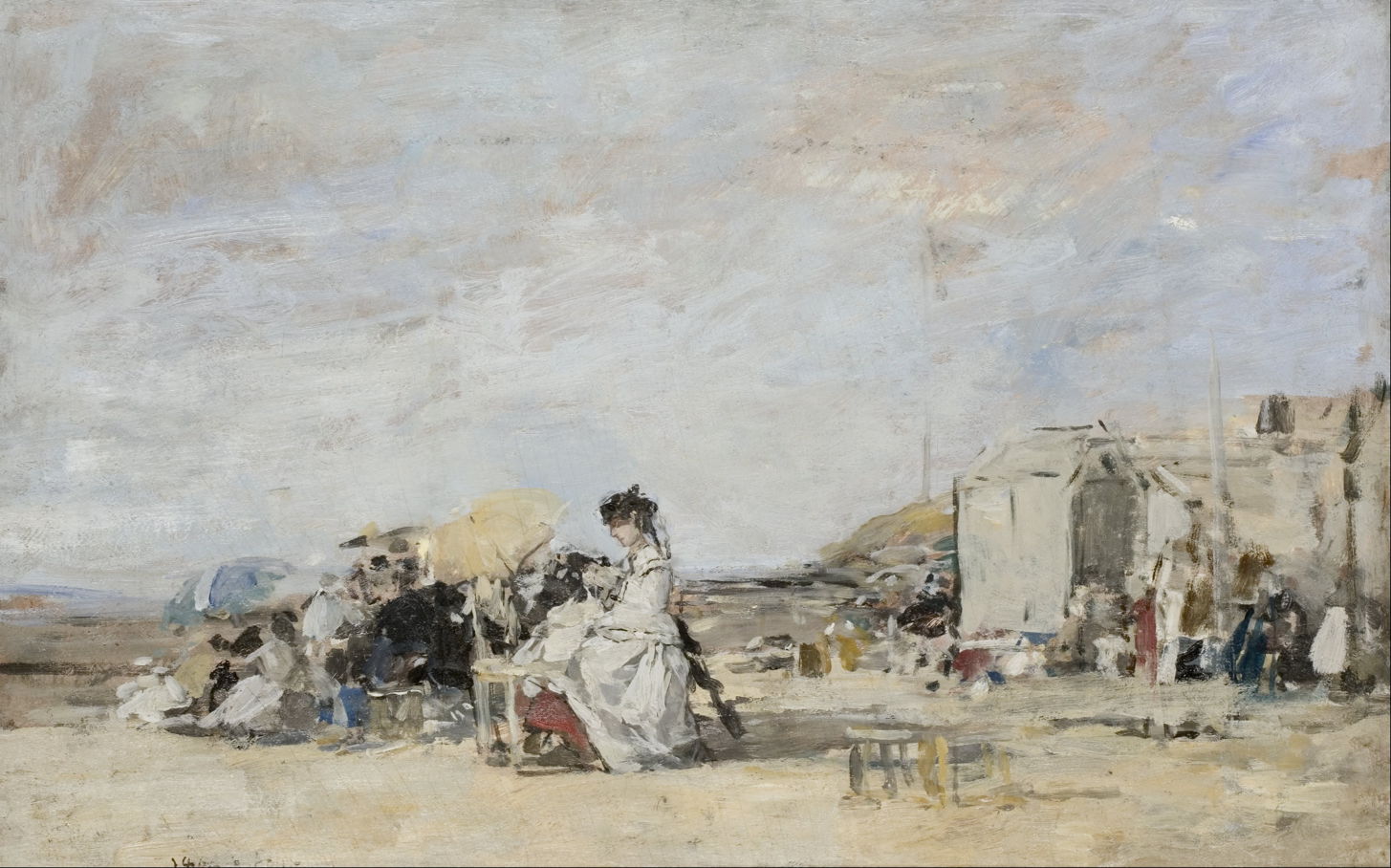
Paintings by Johan Barthold Jongkind, Jean-Baptiste-Camille Corot, Charles-François Daubigny, Eugène Boudin and Claude Monet.

Claude Monet and August Renoir’s realised in 1869 that their new Impressionism was about moments sketched with visible brushstrokes. But once the public expected an Impressionist painting to look as if it had been painted quickly, they wanted the same look even though some paintings took longer.

Paintings by Pierre-Auguste Renoir, Claude Monet and Léon Bonnat.
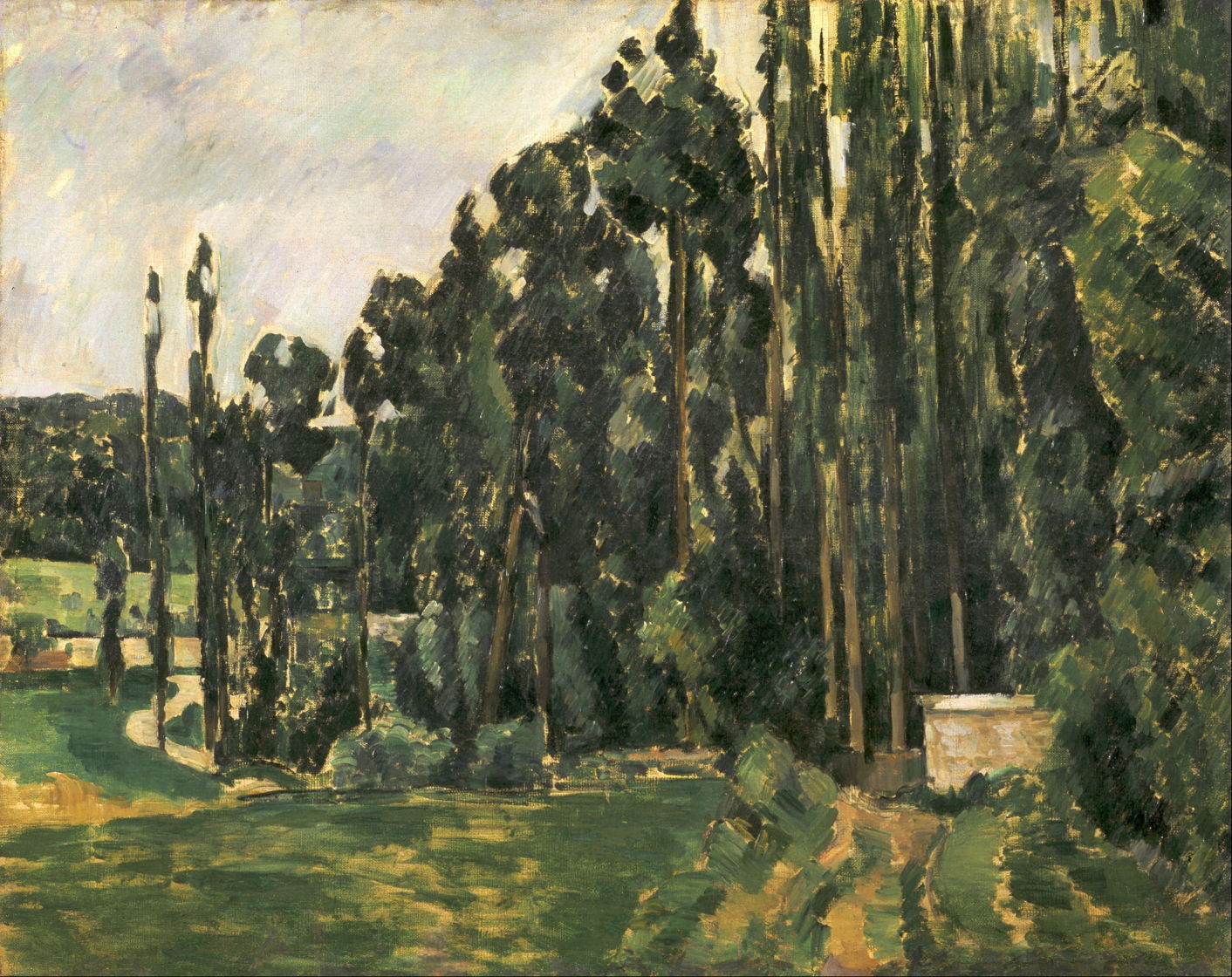
From about 1879, Paul Cézanne started making paintings in which arbitrarily patterned marks are used to form patches of colour, his ‘constructive stroke’.
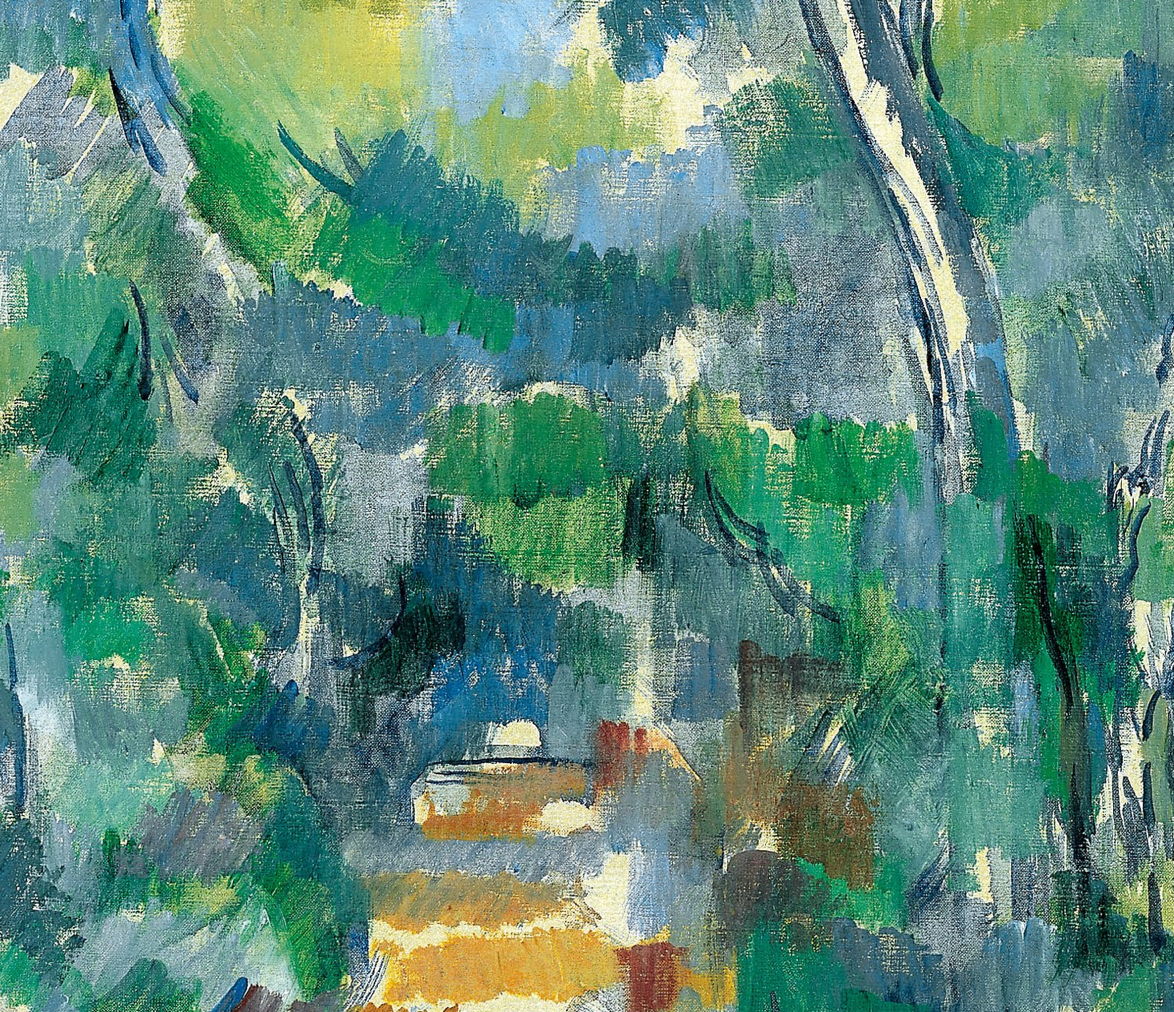
Paintings by Paul Cézanne and Émile Bernard.

By 1884 Georges Seurat developed the antithesis of painterly strokes, using tiny dots of paint over 1 mm in diameter, giving them a grainy appearance. Later he changed style from using separate dots of contrasting colours.

Paintings by Georges Seurat.

Paul Signac’s technique was different, and initially used swirls of coloured patches of paint. Later these grew into tesserae arranged according to forms of objects, with some relatively thick if not impasto.

Paintings by Paul Signac.

First signs of van Gogh’s swirling brushstrokes appeared in his Blossoming Chestnut Tree in 1887.

They became manifest in 1889, as in the detail above, and the following year in his Road with Cypress and Star below.
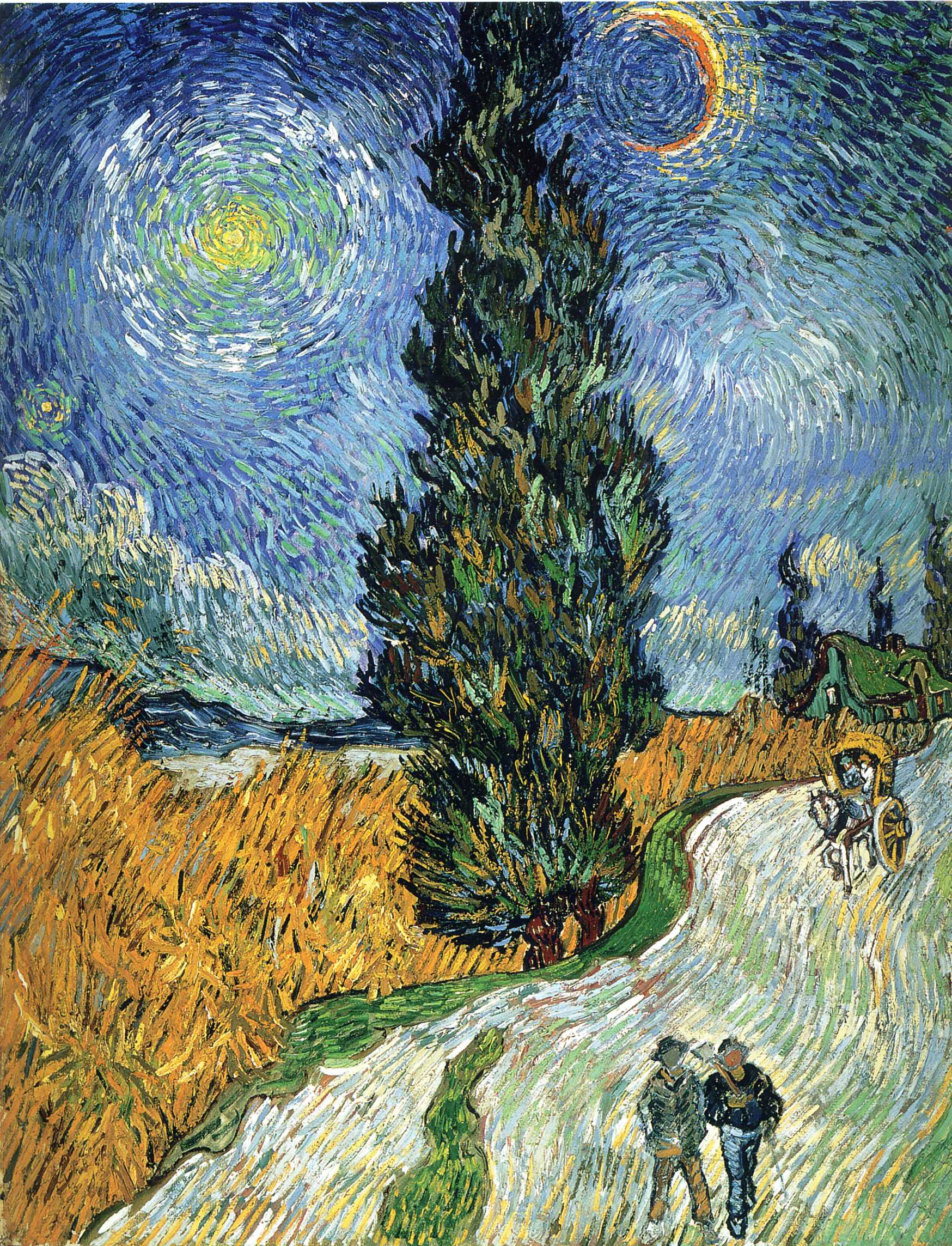
Paintings by Vincent van Gogh.

Henri-Cross adopted a different form of Pointillism, initially with contrasting colour in tiny dots of paint, tending to form rows, above. Later he discontinued superimposing contrasting colours and applied thicker paint in his marks, below.
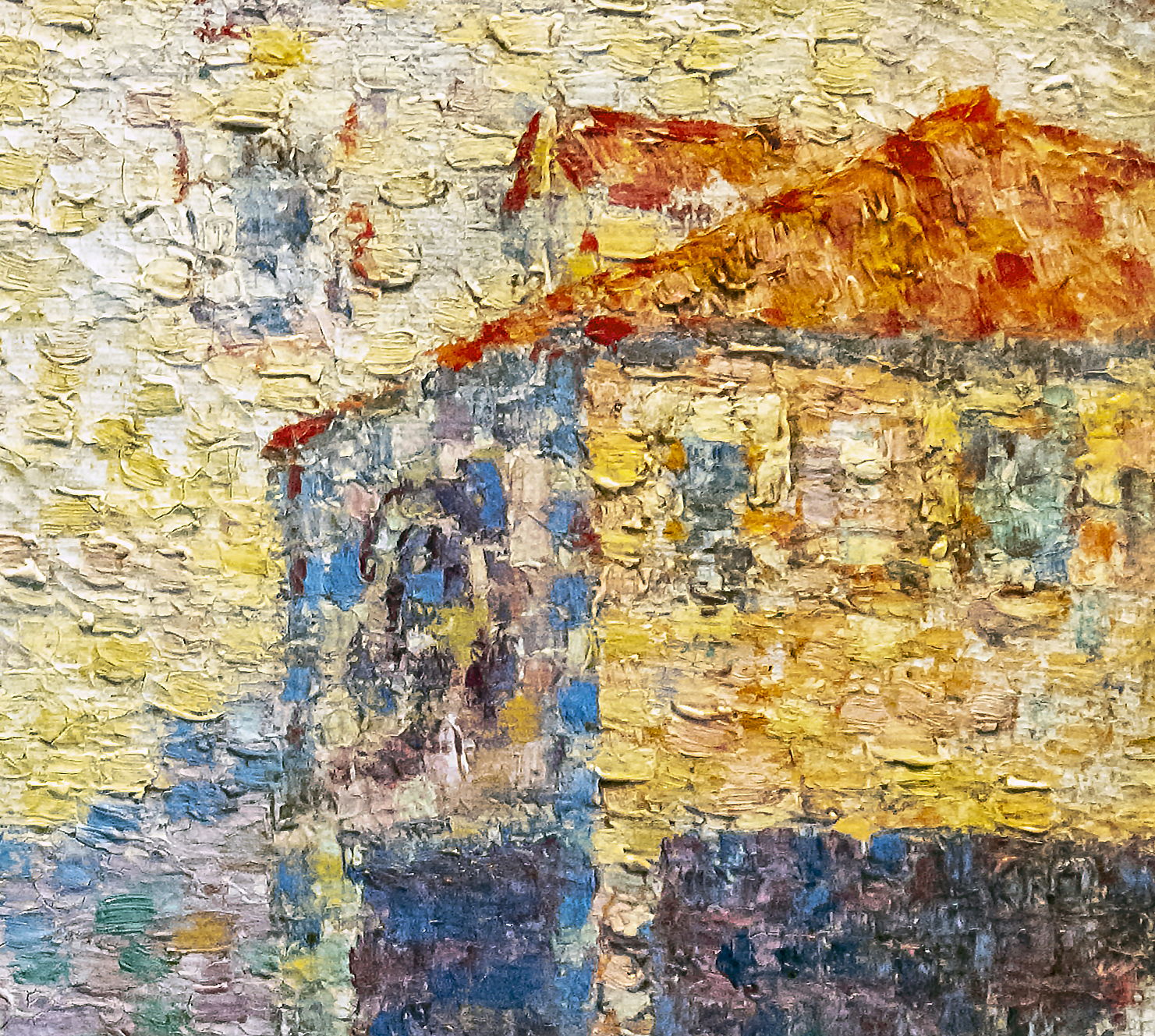
Paintings by Henri-Edmond Cross.

Lovis Corinth’s narrative paintings started with fine detail, above, then became more painterly later in the twentieth century. His Trojan Horse, below, from the year before his death, consists entirely of brushstrokes and marks, but still tells its story effectively.
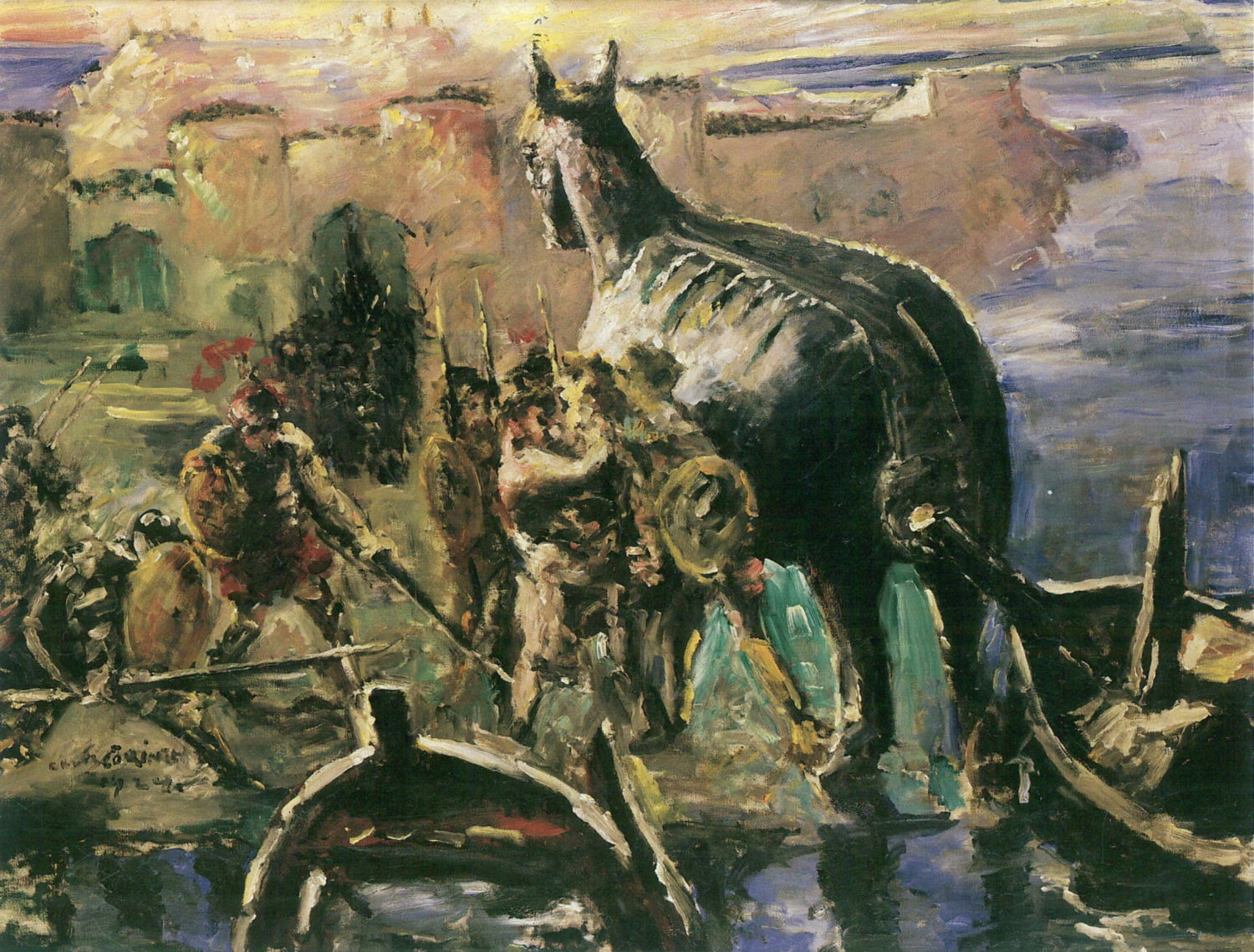
Paintings by Lovis Corinth.

Although we see with our eyes, the real seeing takes place in the brain. Our eyes see fine detail, but our brains are often content with less and more simplified representations. When paintings ceased being the established visual record of the world around us, ceding that to photography, painters and other visual artists explored the limits of perception in their brushstrokes and marks.

Paintings by Amedeo Modigliani, Karl Isakson and John Singer Sargent.
Avant-garde and the psychology of perception
References
Dunkerton J, Foister S & Penny N (1999) Dürer to Veronese, Sixteenth-Century Painting in the National Gallery, The National Gallery Company and Yale UP. ISBN 978 0 30007 220 4.
Gombrich, EH (1976) The Heritage of Apelles, Studies in the Art of the Renaissance, esp. Chapter 2, Phaidon. ISBN 0 7148 1708 2.
Gombrich, EH (1977) Art and Illusion. A Study in the Psychology of Pictorial Representation, Phaidon. ISBN 978 0 7148 1756 9.
Bikker J & Weber GJM et al. (2014) Rembrandt, the Late Works, Yale UP. ISBN 978 18 5709 557 9.
Sutton P, Wieseman ME, van Hout N (2004) Drawn by the Brush, Oil Sketches by Peter Paul Rubens, Yale UP. ISBN 978 0 300 106268.
Sohm PL (1991) Pittoresco: Marco Boschini, his Critics, and their Critiques of Painterly Brushwork in Seventeenth- and Eighteenth-Century Italy, Cambridge UP. ISBN 978 0 5213 8256 4.

