
In his early paintings, Diego Velázquez quickly gained command of light and darkness, as demonstrated in some of his bodegones, centred on fast food catering, typically in taverns and at the roadside.

The most impressive of these early paintings is Old Woman Frying Eggs from 1618. Velázquez includes a wide range of reflective and transparent objects to demonstrate his skills, and his handling of shadows looks impressive. He has manipulated the light carefully to minimise the interference of cast shadows without pushing too far into optical impossibility, and follows the convention of lighting the scene from high on the left.
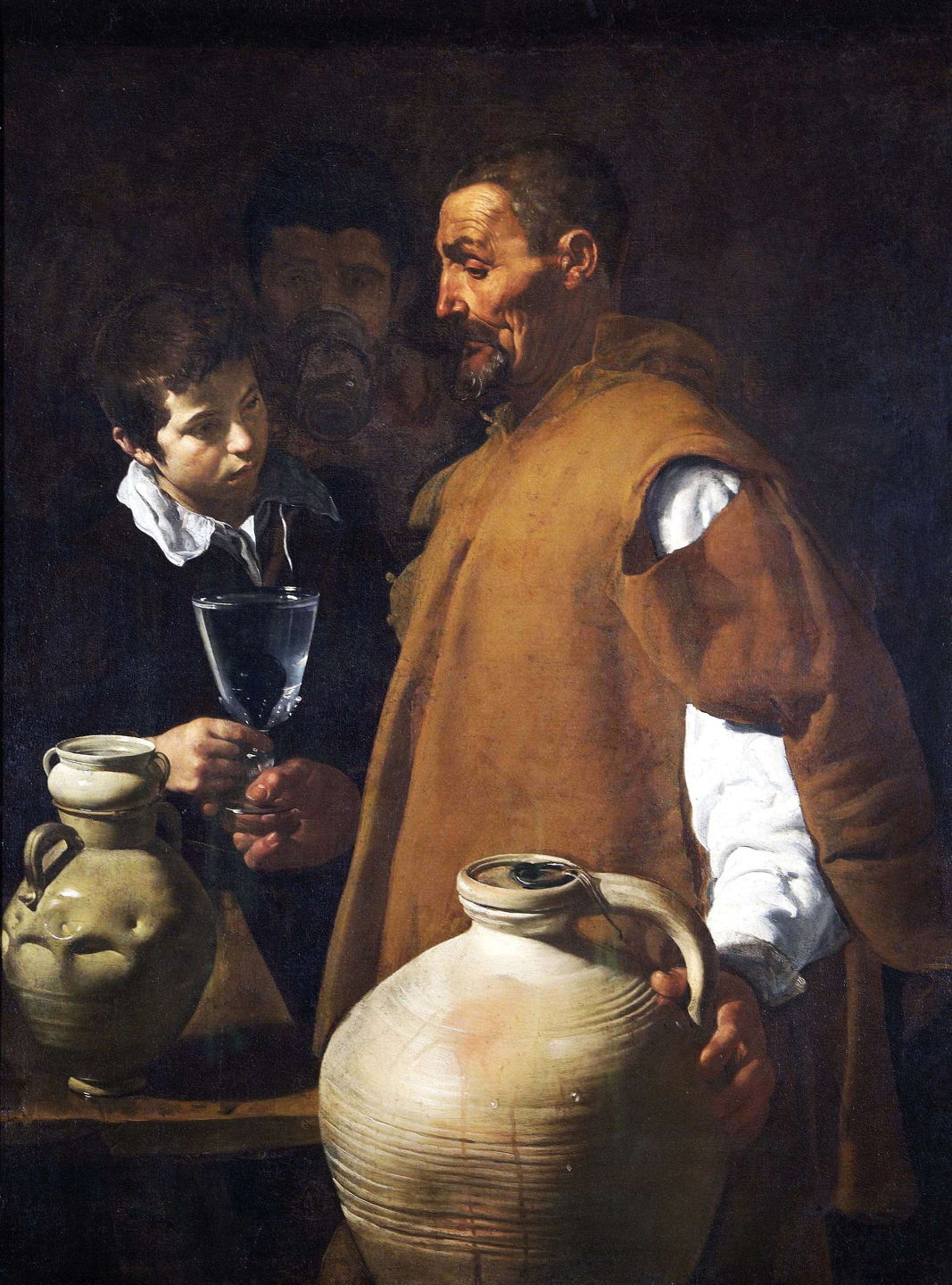
The Waterseller (of Seville) from about 1620 is another of Velázquez’s finest early works. The face of the waterseller shown in profile is expertly modelled, and the glass and pottery lifelike, with shade and shadow giving the two large flasks their distinctive form.
Once he started painting portraits at court, though, shade and shadow became enemies.
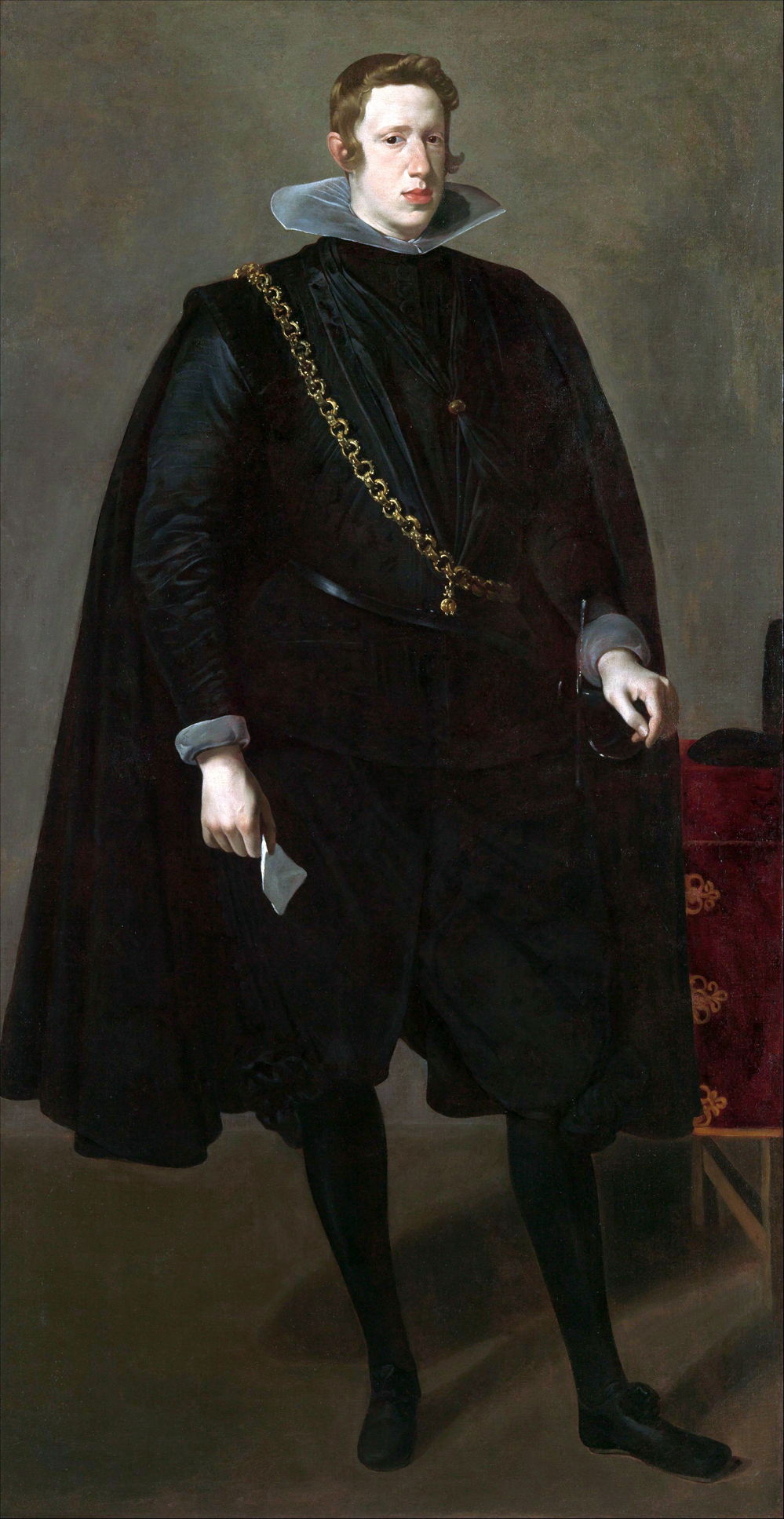
Philip IV, Standing (1624) is one of his first portraits of the monarch, and is recorded as being formally accepted in December 1624. He too is lit from the left, but shadows have been carefully omitted except around his hairline.

That contrasts with this portrait of Mars from about 1639-41, where the god is shown off-guard in a moment of relaxation. Apart from the tip of his nose and the point of his chin, the god’s face is in shadow, and he looks like he just got out of bed after a long siesta.

Shade and shadow in Venus at Her Mirror, also known as the Rokeby Venus, enhance its Venus Effect. With its light cast again from the upper left, the reflected face is lit just as we’d expect, with the right of her face in shade and shadow, which helps convince us that its optically impossible reflection is true.
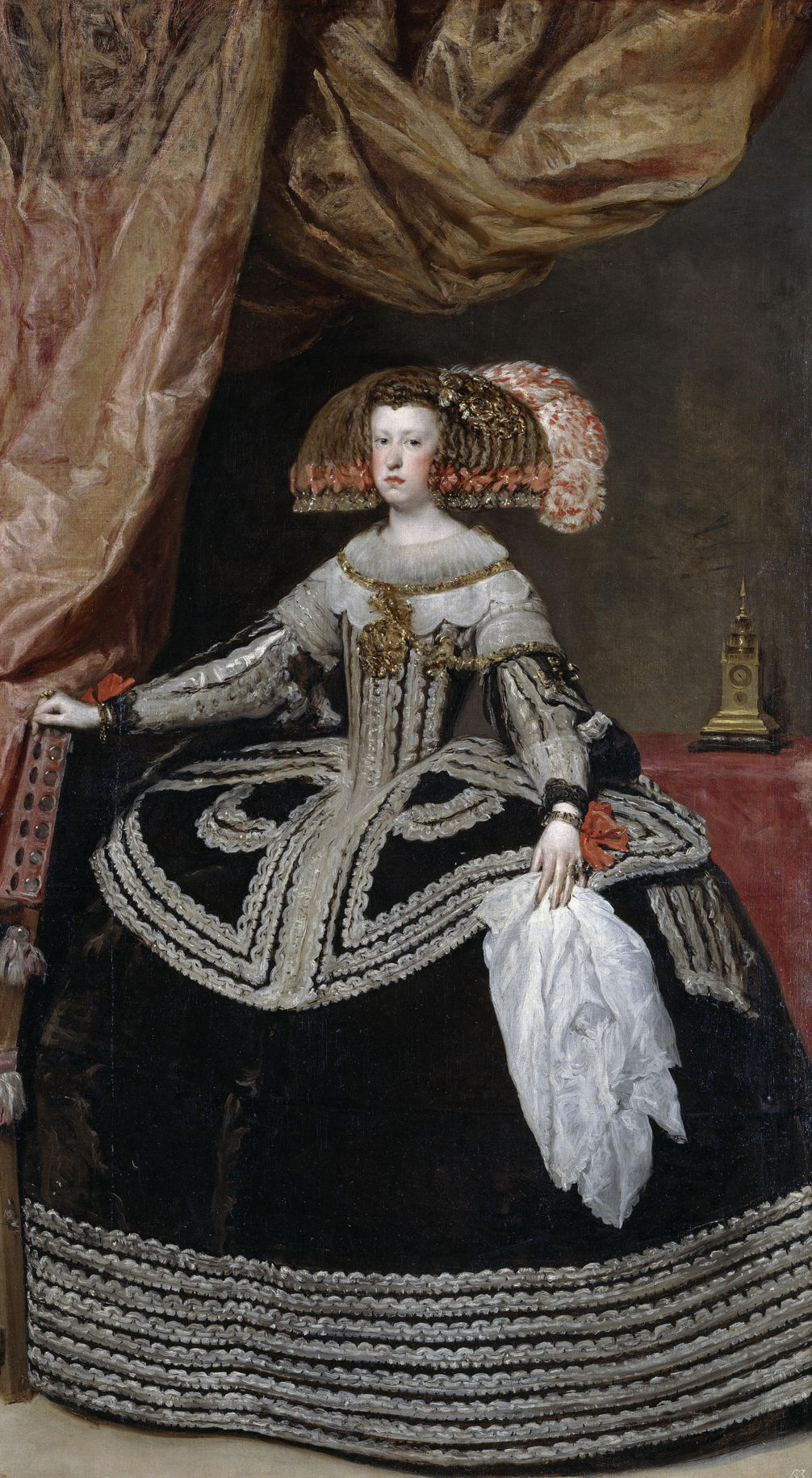
Back at court in Madrid, Velázquez’s portrait of Queen Mariana (of Austria) painted in 1652-53 carefully avoids shade and shadow, giving her face a flat and dour appearance.
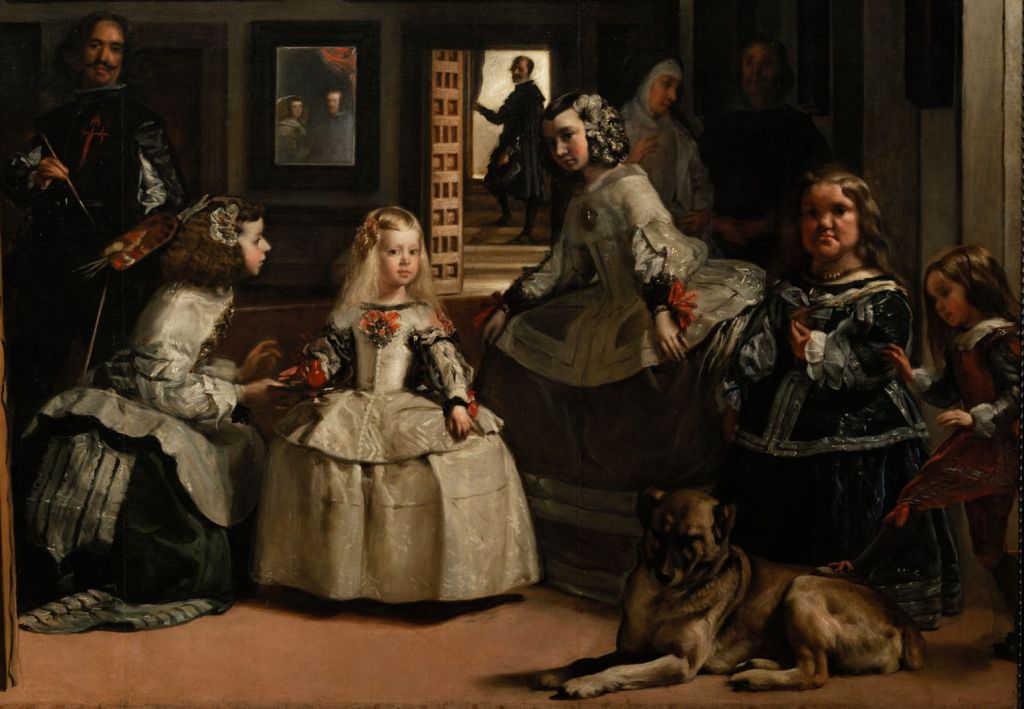
That wasn’t the case for the most famous group portrait of his career, in Las Meninas from about 1656-57.

This is a group portrait of eleven people and a dog in a faithful depiction of a room in the Alcázar Palace. It’s lit from the upper right, probably because of the potential conflict with Velázquez’s large canvas. Best-lit of its figures is the Infanta Margaret Theresa in the front, who is given a minimum of shade and shadow. The maids of honour on either side of her, and the two dwarves on the right, have their fair share of shadow, which accentuates the features of the taller of the two dwarves, and all but obscures the bodyguard in the right background.
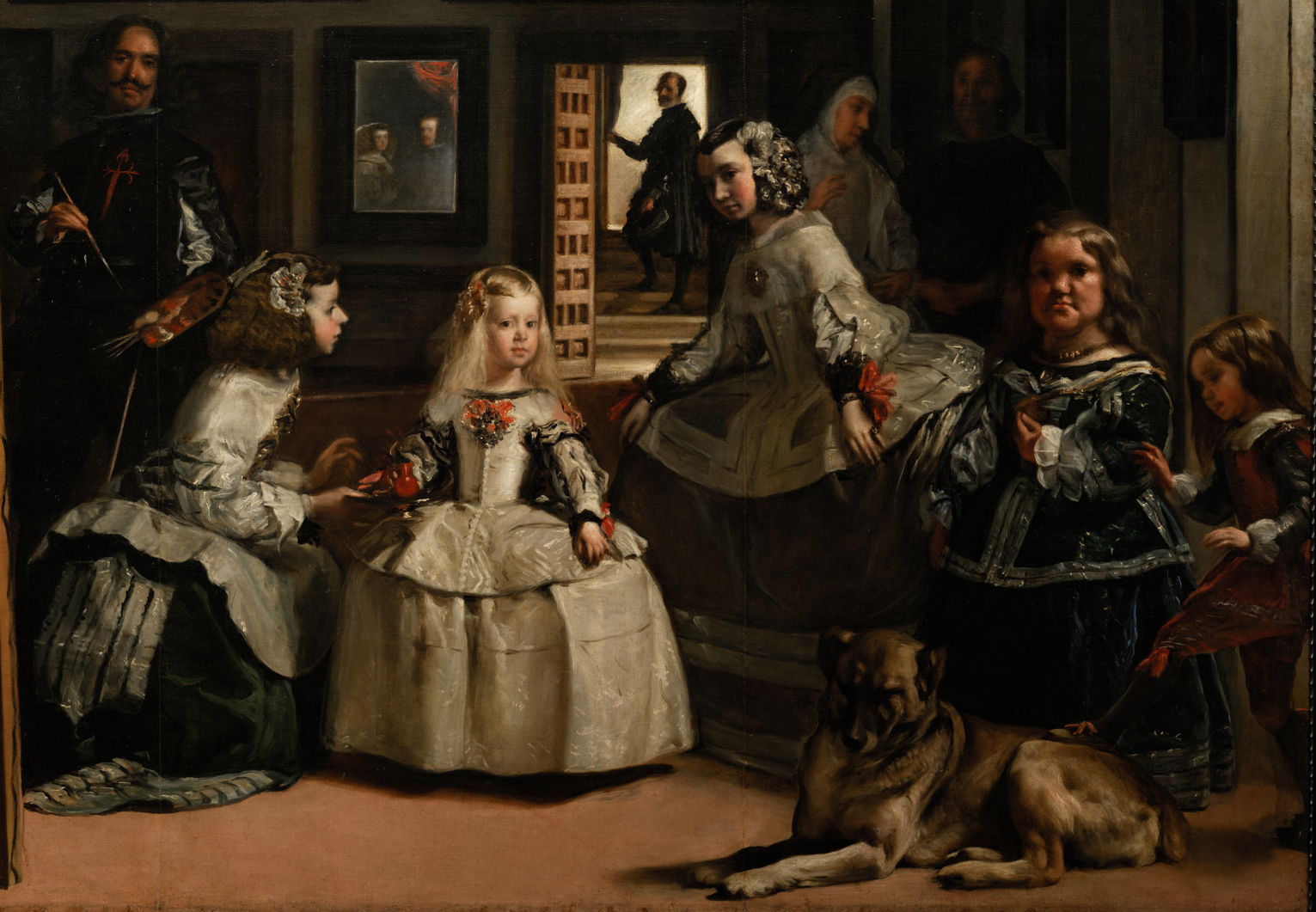
This elaborate use of highlight and shadow is even more apparent in this detail of the figures.
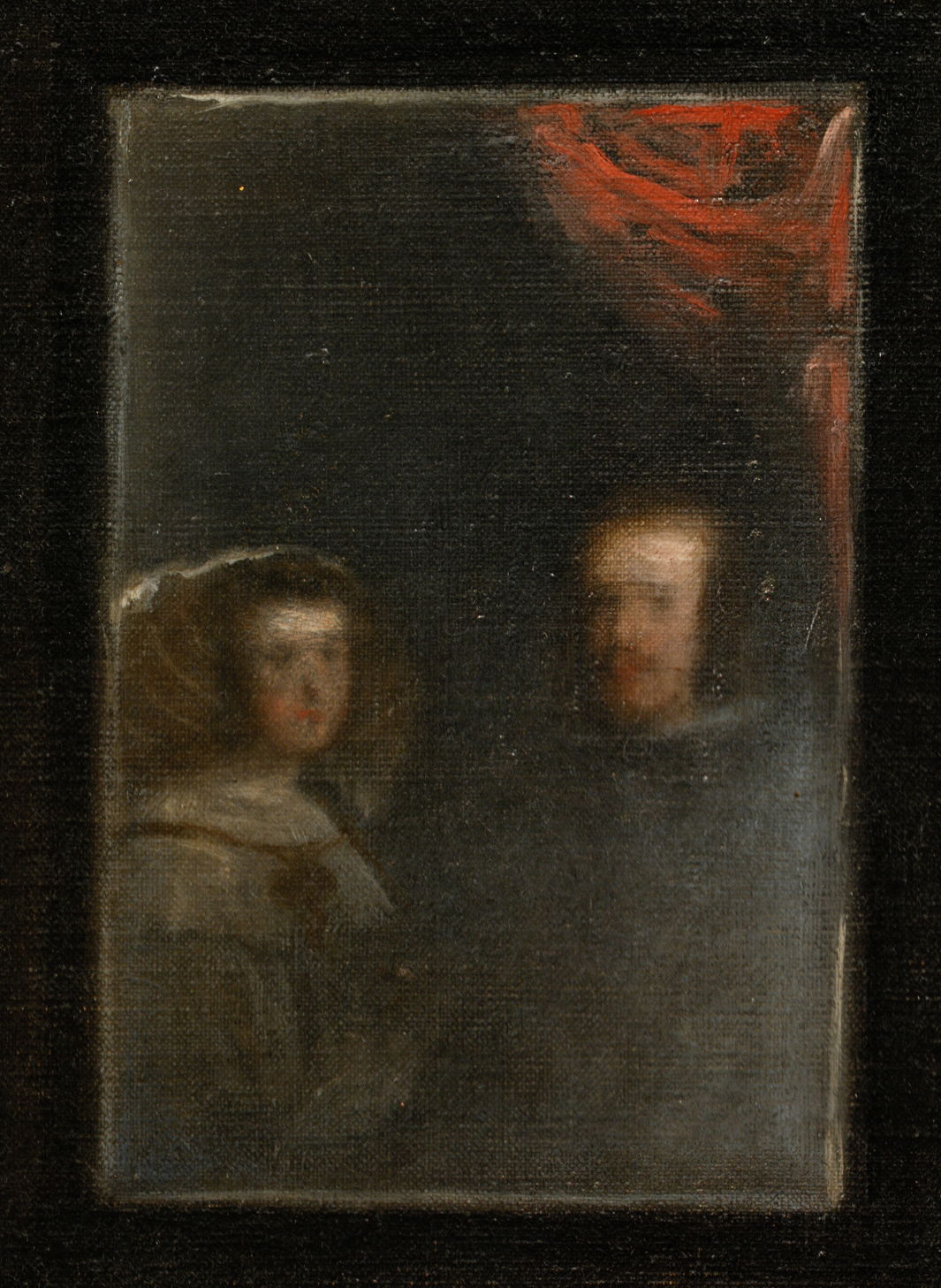
Two figures given a prominent and unusual place are the King and Queen, who are shown reflected in a rectangular plane mirror on the far wall. They are lit consistently with their physical presence in the painting, to the immediate left of the viewer. Perhaps this should be termed the Meninas Effect?

