
In the first of these two articles celebrating the changing colours of trees and their leaves in autumn/fall, I showed paintings from Paulus Potter in 1652, to Paul Signac in 1903, including those of high Impressionism. Today I start in New England just after the start of the twentieth century.
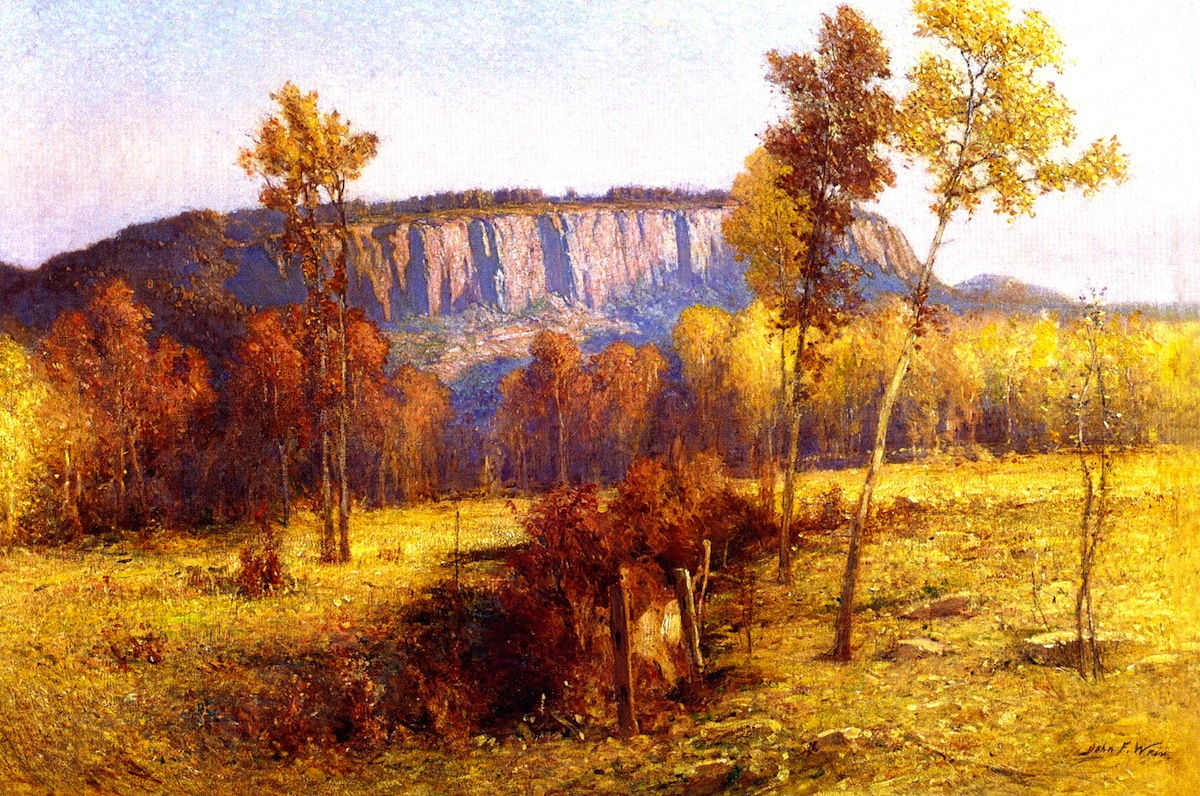
John Ferguson Weir’s East Rock, New Haven shows woods near New Haven, Connecticut, with the prominent ‘trap rock ridge’ of East Rock as their backdrop.
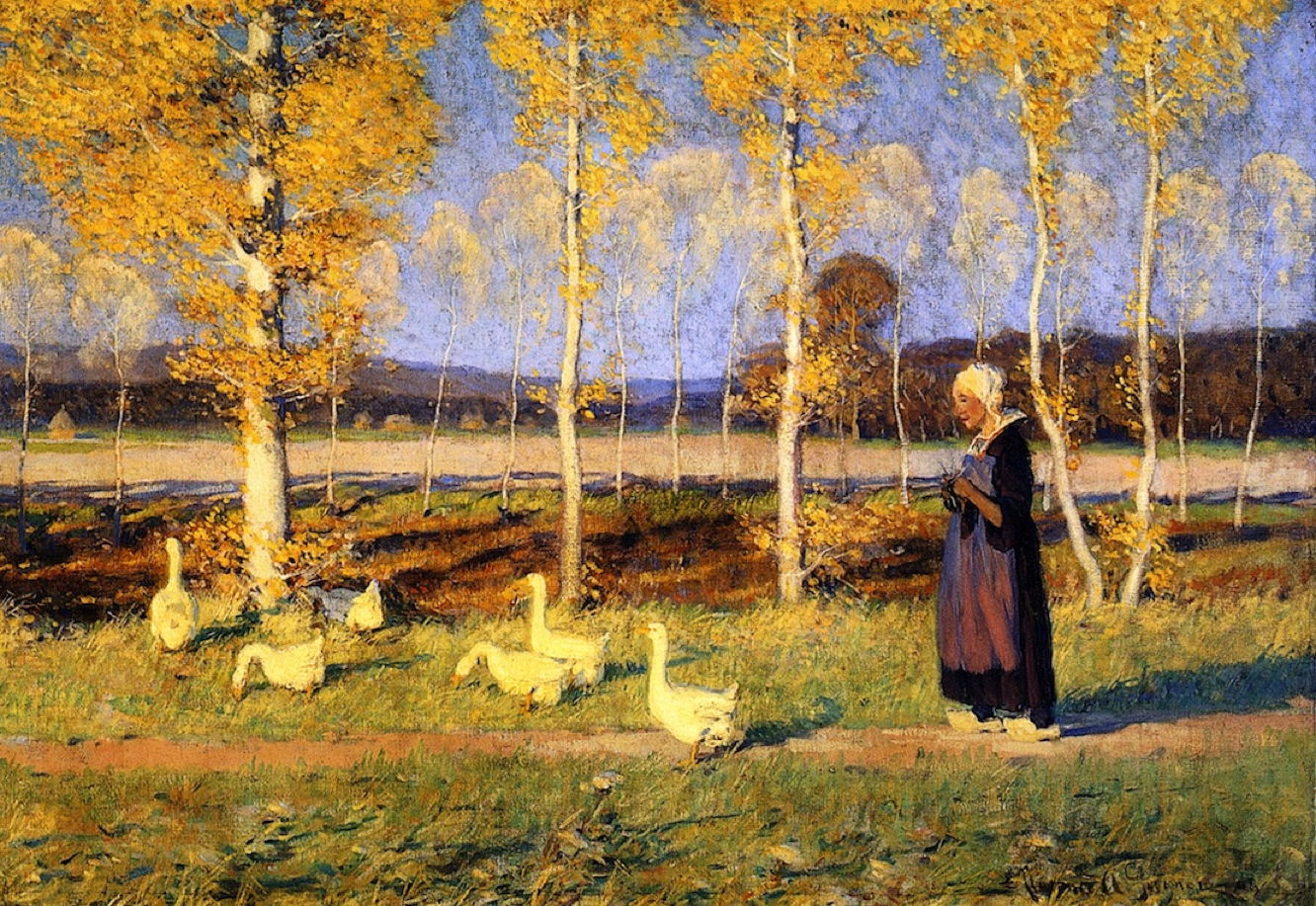
Clarence Gagnon’s Brittany Goose Girl from 1908 shows her against a stand of poplars in their autumn colours.
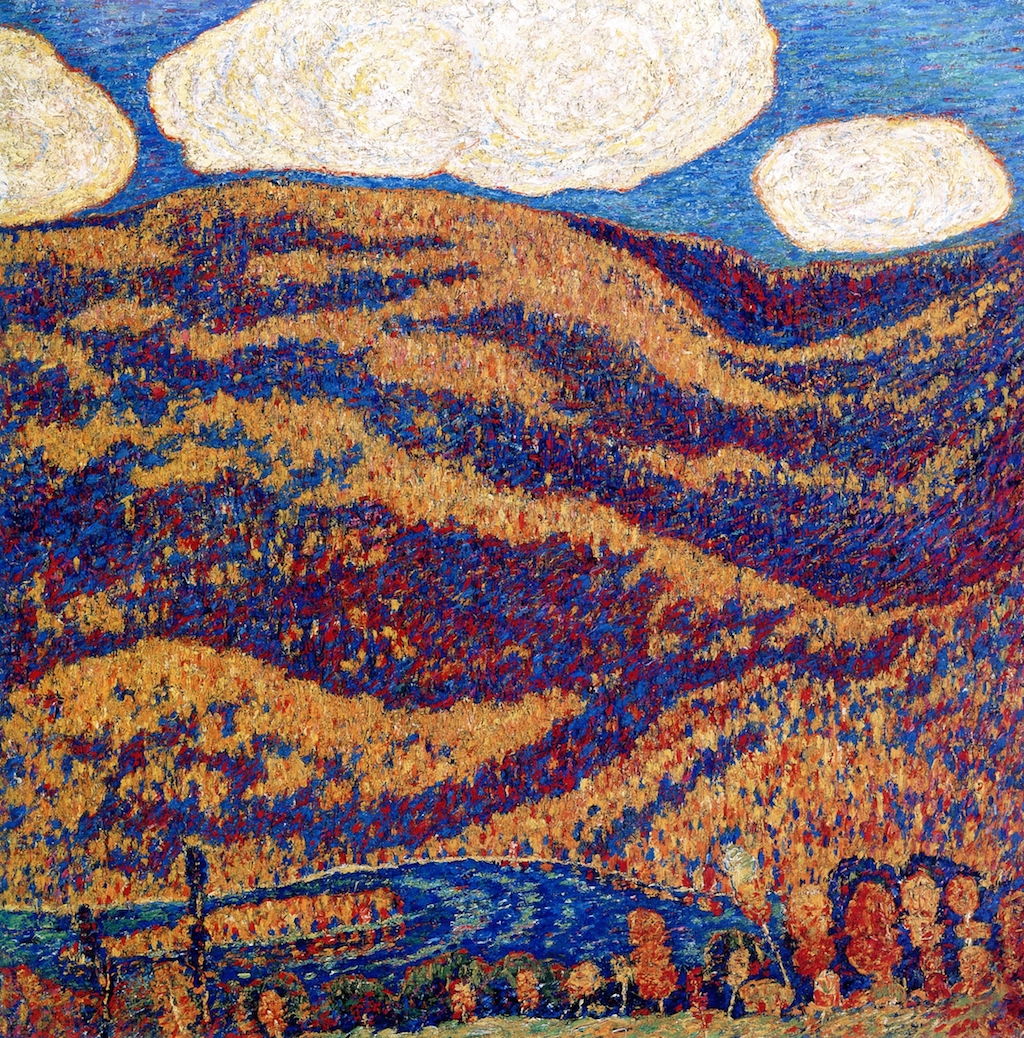
During the early years of the twentieth century in the USA Post-Impressionism was transforming into Modernism. Marsden Hartley’s Carnival of Autumn (1908) is an early example of that transition, with its brash colours and almost Divisionist technique.
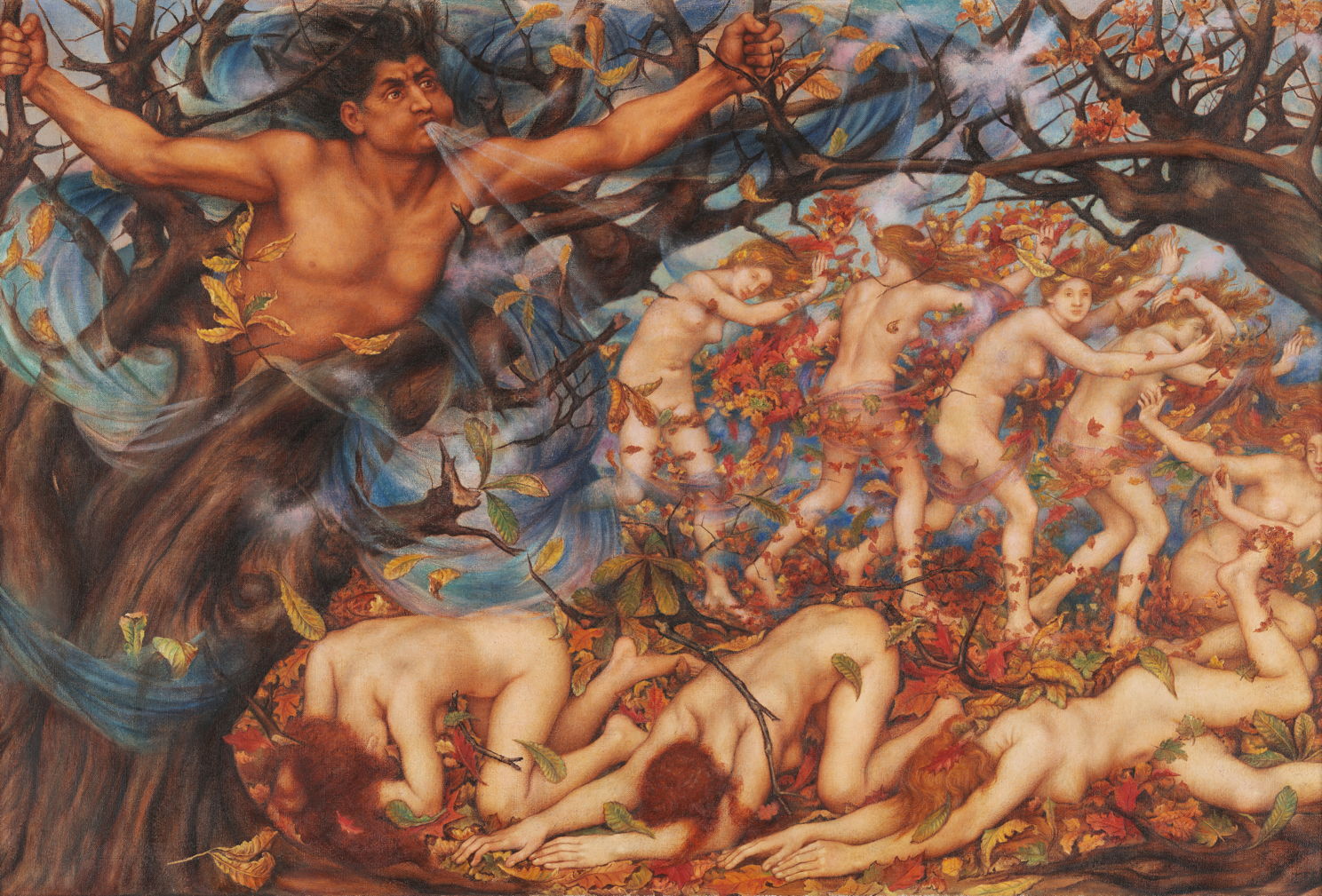
In 1910-14, Evelyn De Morgan painted the north wind in her Boreas and the Fallen Leaves. This wind blows sufficient to tear the blazing leaves of autumn from the trees, covering eight women who loop round from dancing to crouching on the ground.
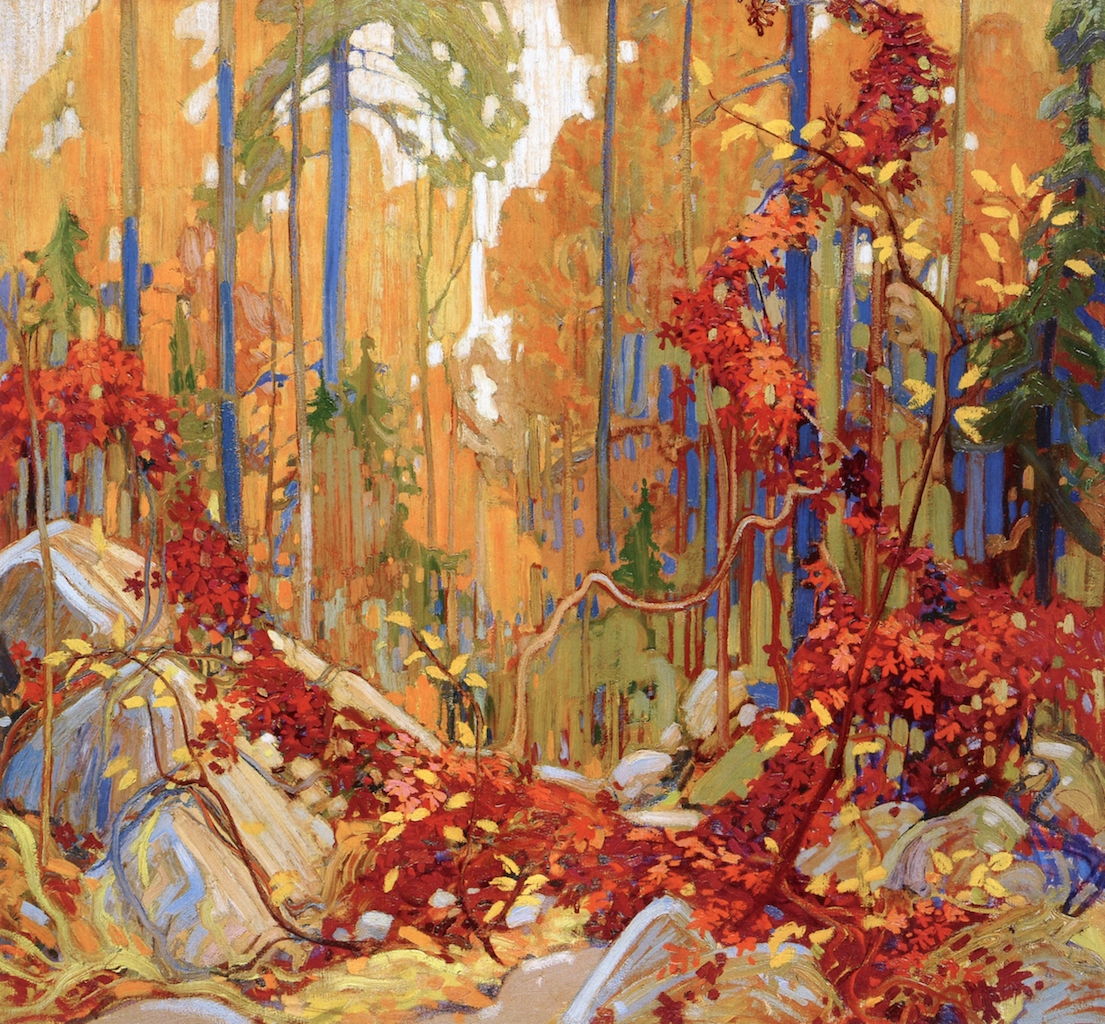
The Canadian Tom Thomson’s plein air landscape paintings are true impressions of often transient conditions, and were frequently made in the autumn, to capture its colours. Some, such as Autumn’s Garland (1915-16), were painted in the studio during the following winter, from sketches he had made earlier in front of the motif.

Painted in the studio during the winter before Thomson’s tragic accidental death, The Pointers (1916-17) refers to the loggers’ ‘pointer’ boats shown crossing this lake.
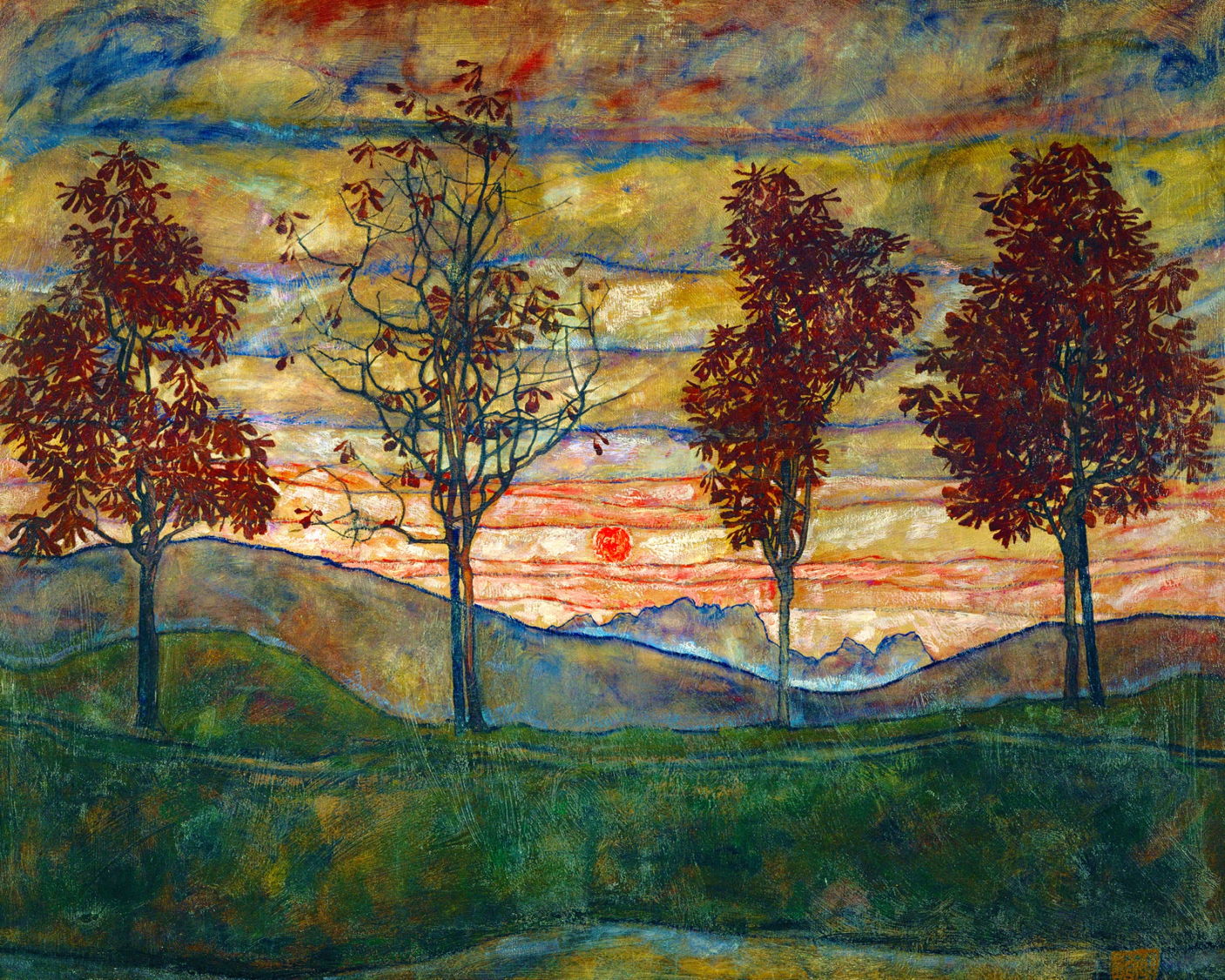
Egon Schiele’s Four Trees is an Expressionist work based on views in Austria, showing four stark chestnut trees in the setting sun of the autumn.
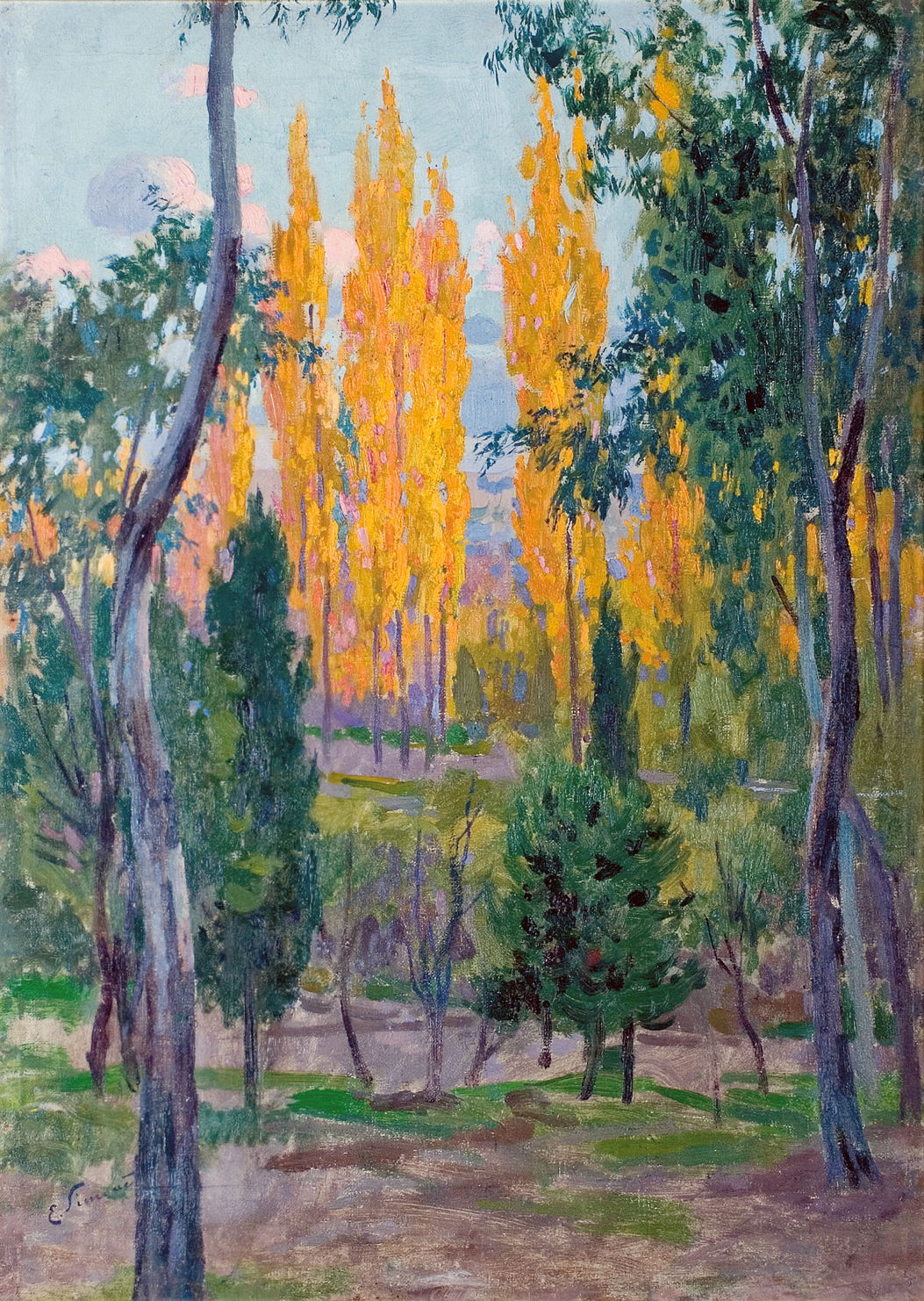
More traditional styles of landscape painting survived both the rush to Modernism and the carnage of the First World War. This canvas by the Spanish artist Enrique Simonet shows a very Spanish motif: the Dehesa, a type of landscape characteristic of southern and central Spain and Portugal (where it’s known as montado). This is a traditional mixed, multifunctional environment providing grazing for cattle, goats, sheep and pigs, mixed trees centred on oaks, and support for many endangered species such as the Iberian lynx and Spanish imperial eagle. It also looks marvellous in the autumn.
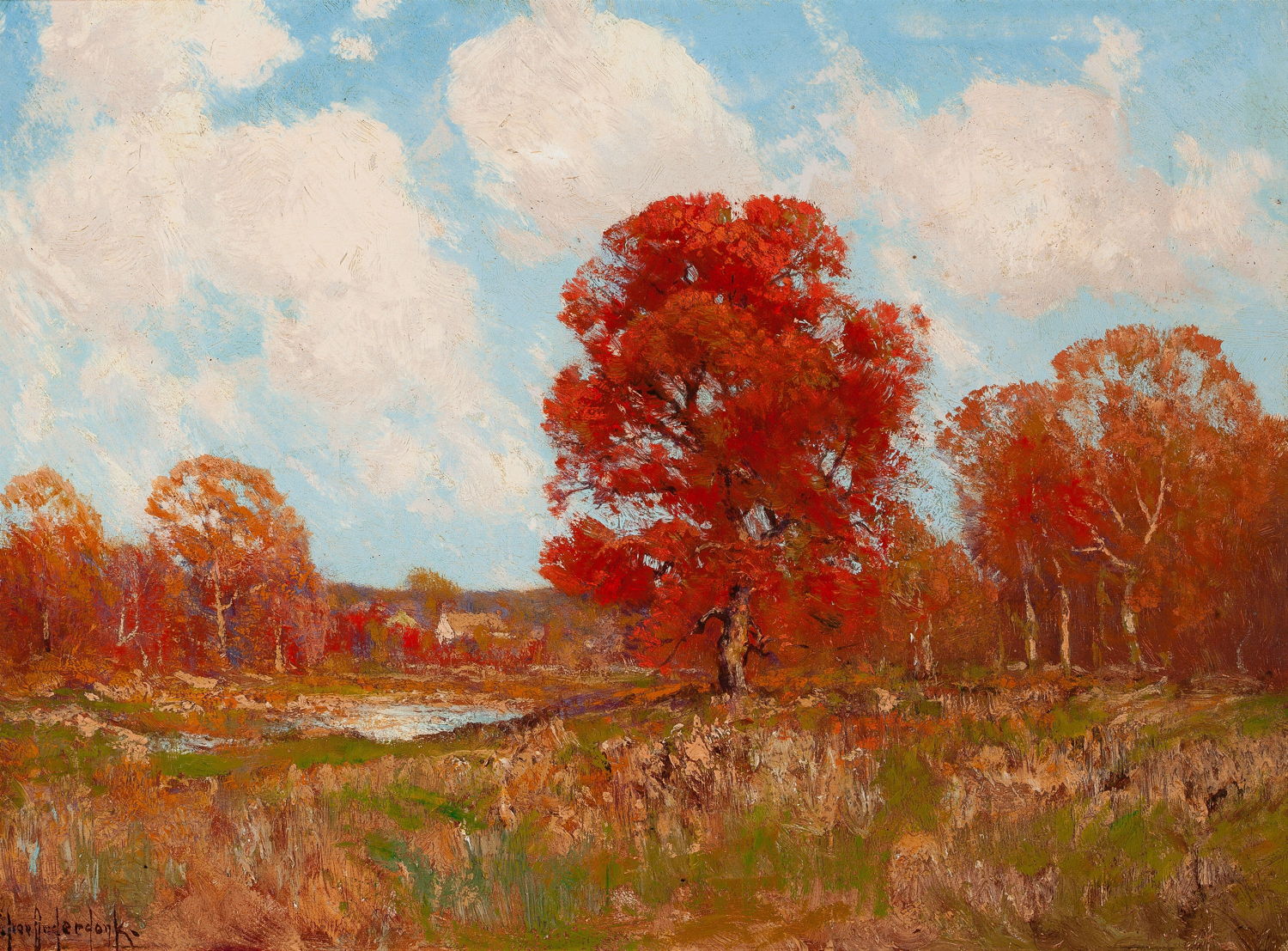
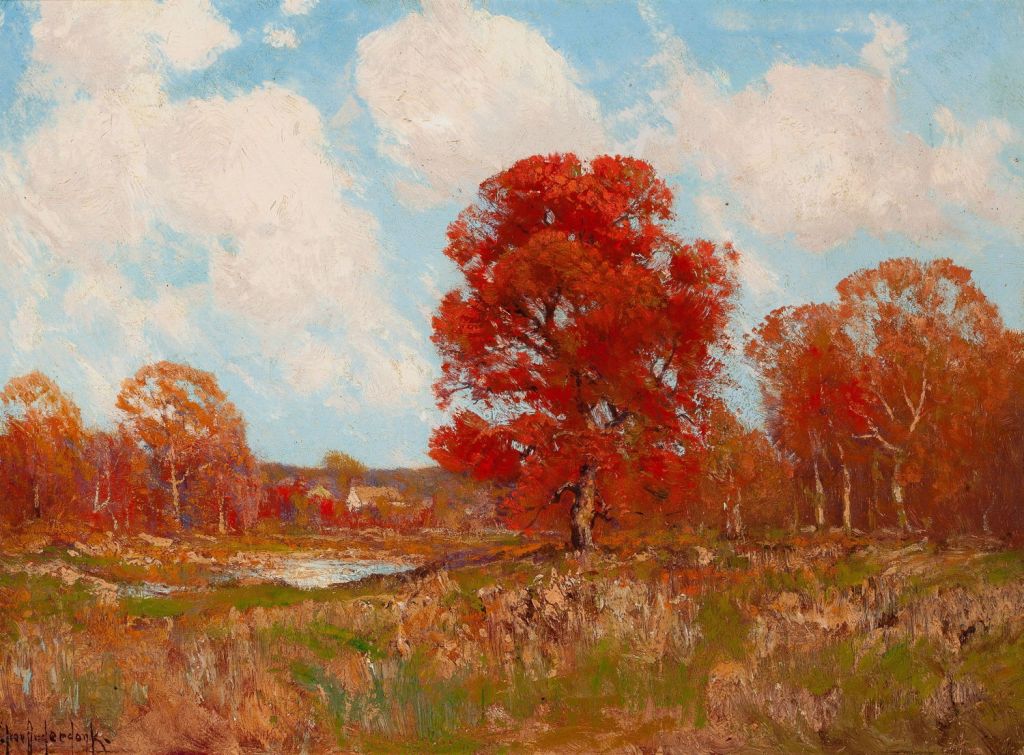
Julian Onderdonk’s undated Fall Landscape shows countryside near the artist’s home in San Antonio, Texas.
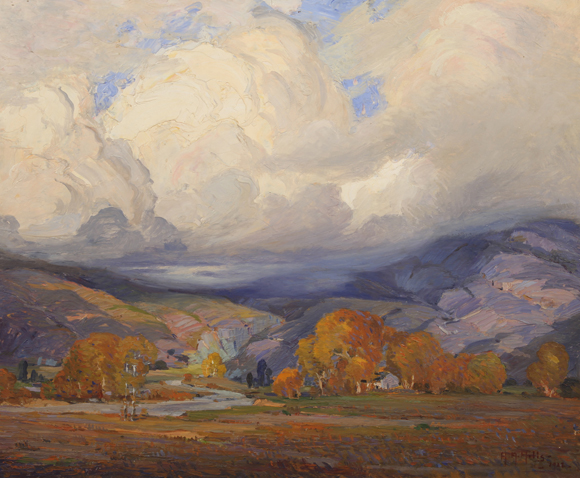
Passing over to the west of the USA, After the Storm, Hemet, California is one of the finished works of Anna Althea Hills, probably based on quick plein air sketches. Hemet, and its conjoining city of San Jacinto, are far inland, in the San Jacinto Valley, well to the northeast of her studio in Laguna Beach.
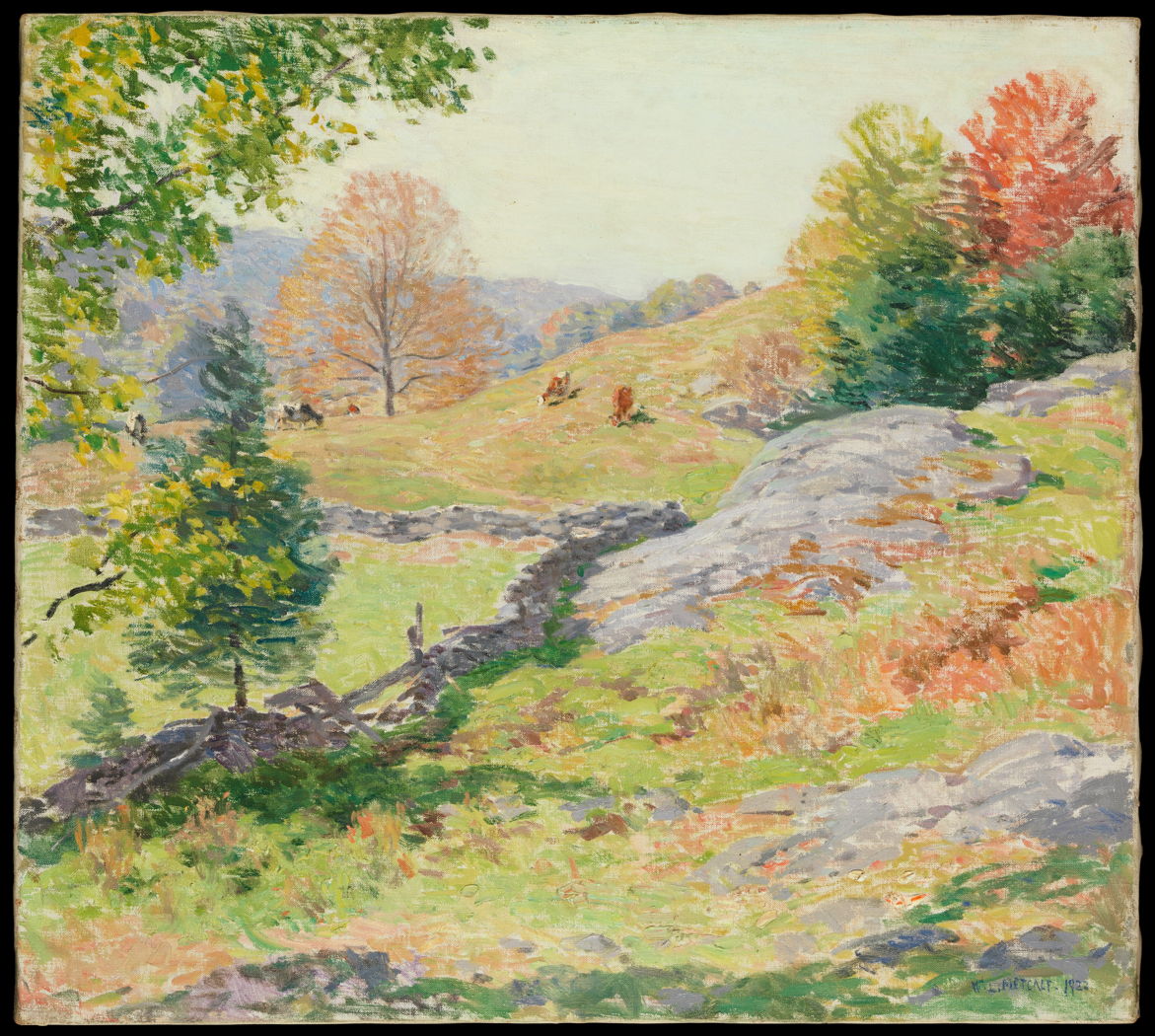
Willard Metcalf’s Hillside Pastures — September appears to be a view of the Vermont countryside, and was probably painted in front of the motif.
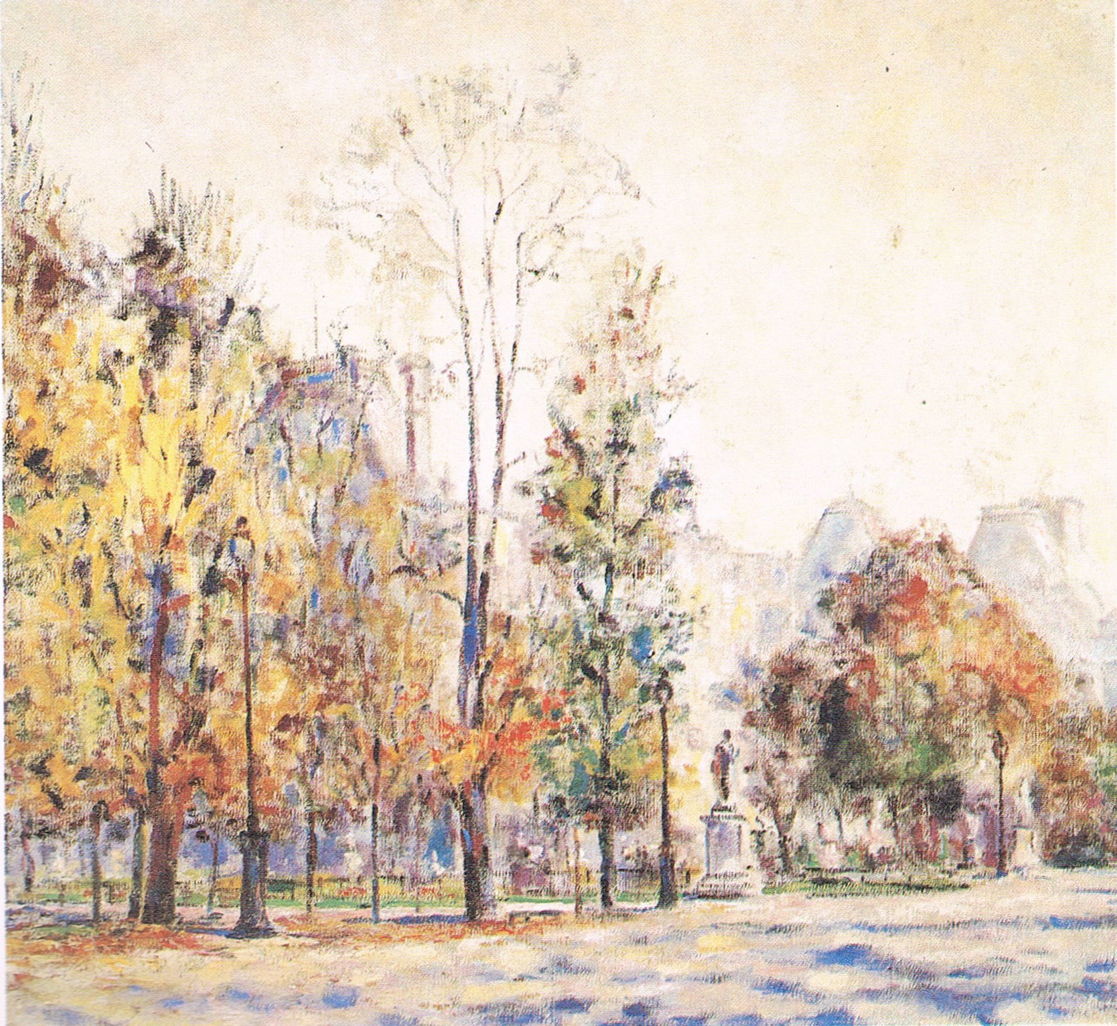
Returning to Paris in 1922, Pierre Thévenet’s Tuileries Gardens in Autumn shows the gardens that were formerly the grounds of the Tuileries Palace, which was demolished after it was burned down during the Paris Commune in 1871.
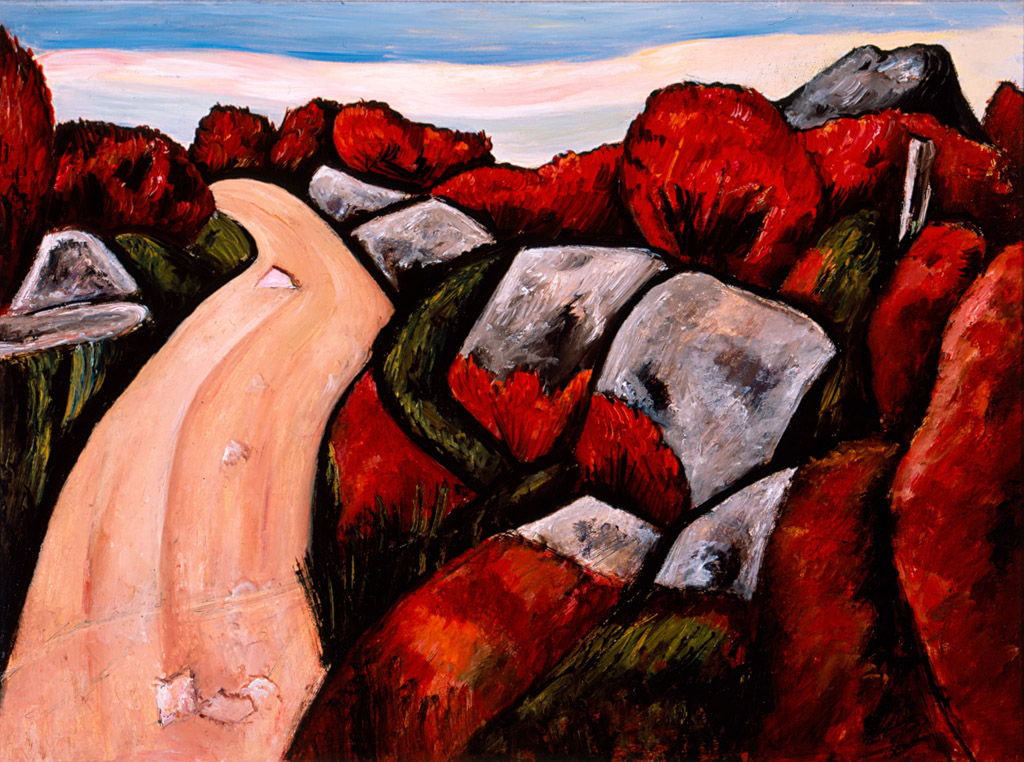
In 1930, Marsden Hartley returned to the USA from Europe, and visited some of the classic locations in Massachusetts, including Dogtown, the abandoned settlement between Gloucester and Rockport. On an early visit there in 1931, he painted his Blueberry Highway, Dogtown, an unusual take on this desolate wooded and rocky area, which must have been in the fall/autumn.

Finally, from the end of the Second World War in Europe, Paul Nash’s surrealist Landscape of the Moon’s Last Phase (1944) is one of a series exploring the phases of the moon. Prominent in his composition are the trees of an Iron Age hill fort, one of the Wittenham Clumps, on the border of Berkshire and Oxfordshire, England.
When Nash had first seen these, he described them as “a beautiful legendary country haunted by old gods long forgotten”. In the classical pantheon, the autumn/fall lacked a significant deity, but I think that Nash and others have come close to depicting its earthly form.
 The Eclectic Light Company