
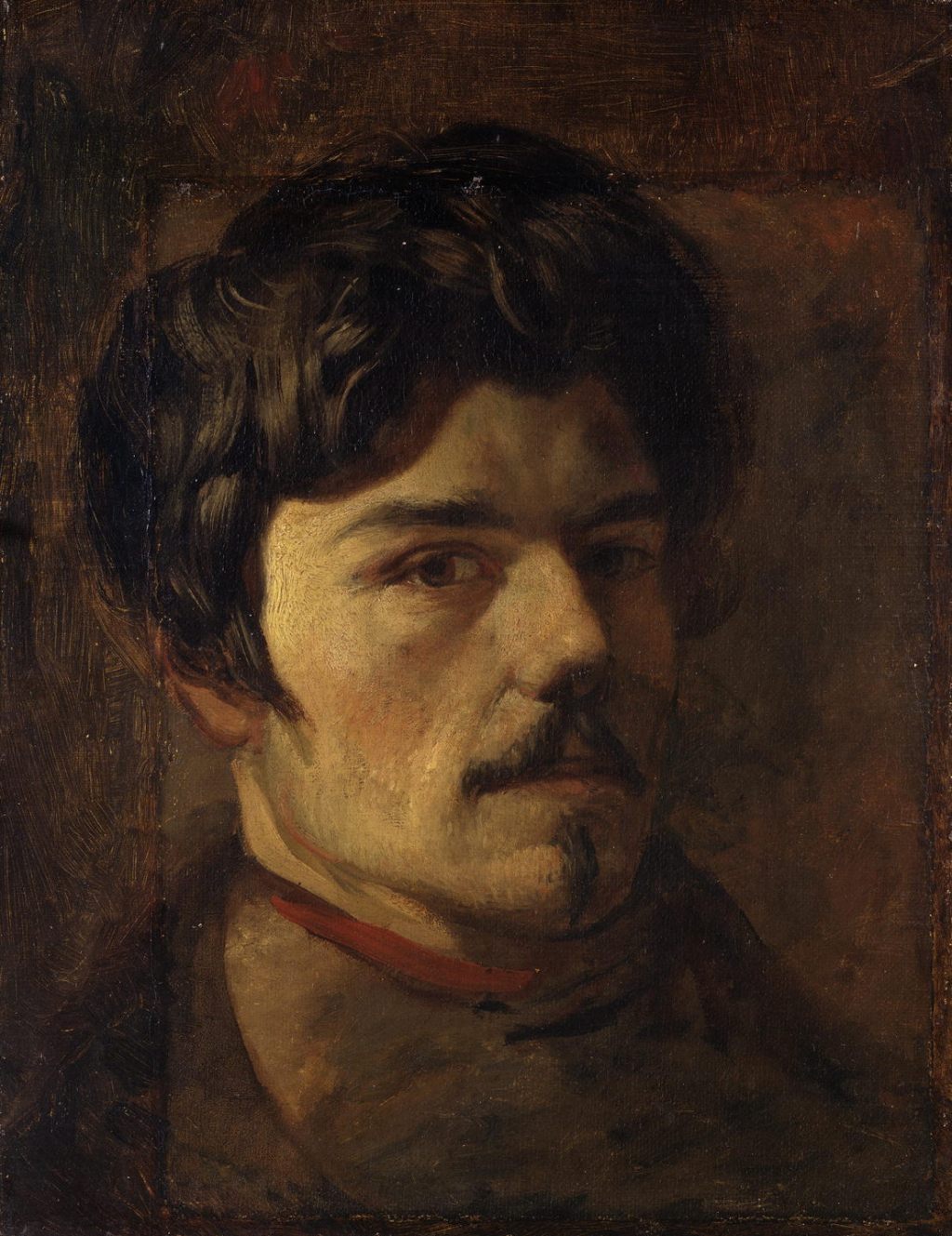
This article presents an outline of the contents of each of the articles in this series on the life and art of Eugène Delacroix (1798-1863), together with links to those articles.
A brief overview of some of his better-known paintings, and his importance to later artists. Introduction

Delacroix’s art in historical context, as a Romantic reaction to David’s neoclassicism. Géricault as his mentor, and his vast The Raft of the Medusa (1818-19) as a painting that haunted many of Delacroix’s motifs. Significance of Constable and Richard Parkes Bonington. Rivalry with JAD Ingres. 1 Beyond Neoclassicism
Birth, family and training as a pupil of Pierre-Narcisse Guérin. Early religious works and other paintings 1821-24. The Barque of Dante (1822) and its success at the Salon. 2 First success

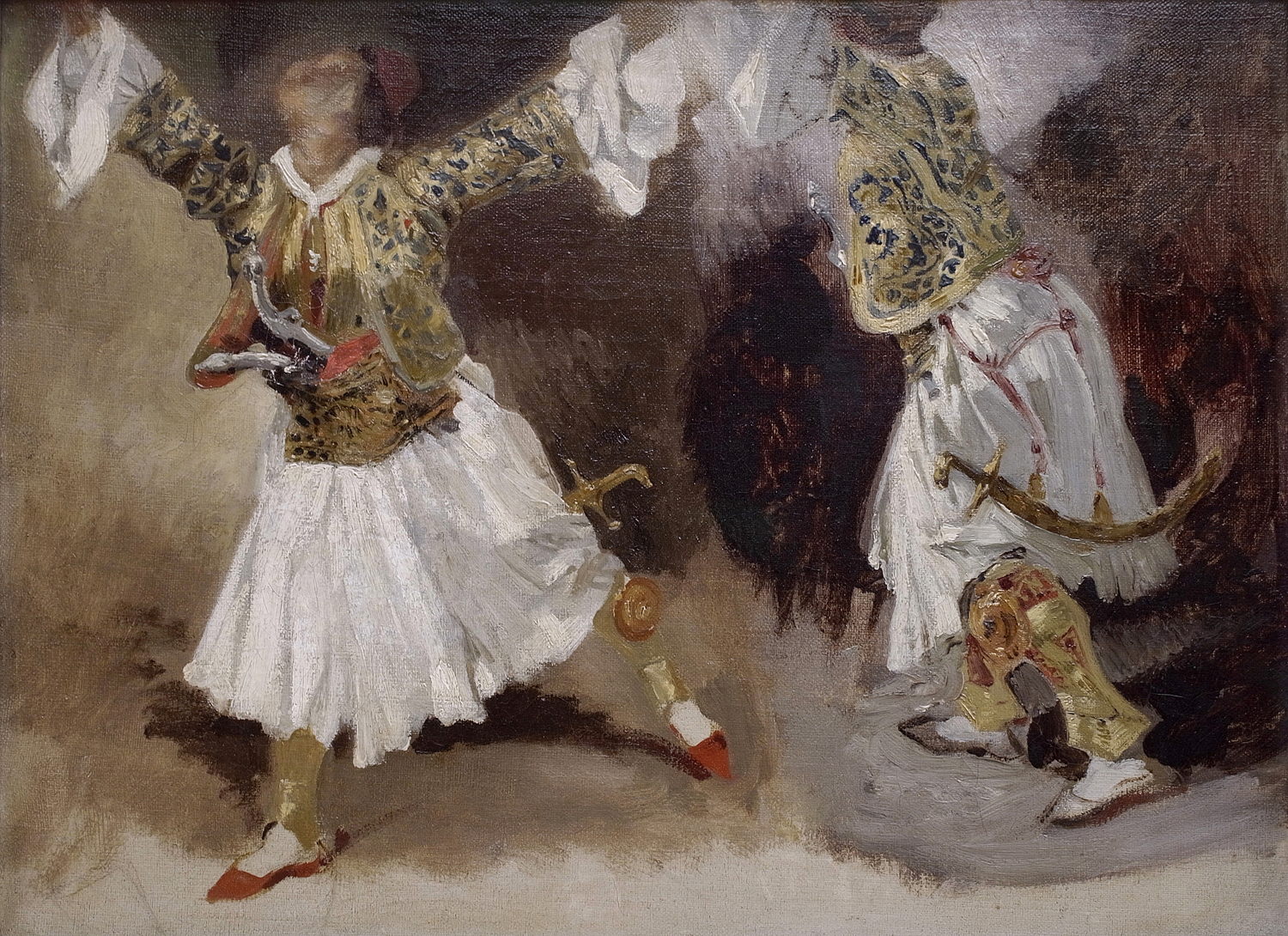
Paintings 1824-26. The Greek War of Independence. The Massacre at Chios (1824) and its success at the Salon. Greece on the Ruins of Missolonghi (1826). 3 Massacre at Chios
Paintings 1826-27. The Execution of the Doge Marino Faliero (1825-26), based on Byron. The Death of Sardanapalus (1827) and its bad reception. 4 The offence of Sardanapalus

Paintings 1827-30. Shakespeare, lithographs for Goethe’s Faust. Liberty Leading the People (1830), its success and removal from public view. 5 Liberty
Paintings 1831-34. Battle of Nancy (1477) (1831). Visit to Morocco and Algiers in 1832. Watercolours painted there, leading to Women of Algiers in their Apartment (1834). 6 Women of Algiers
Paintings 1834-37. Paintings in the Salon du Roi in the Palais Bourbon. The Natchez (1823-35). The Battle of Taillebourg, 21st July 1242 (1837). Jewish Wedding in Morocco (1837-41). 7 The Jewish Wedding

Paintings 1835-40. The Death of Ophelia (1838). Cleopatra and the Peasant (1838). First Shipwreck of Don Juan (1840) after Byron. 8 Ophelia and histories
Paintings 1842-50. The Sultan of Morocco and His Entourage (1845). The Abduction of Rebecca (1846) after Sir Walter Scott’s Ivanhoe. The Bride of Abydos (1843-49) after Byron. 9 A farrago of stories

Paintings in the libraries of the Chamber of Deputies of the Palais Bourbon, and of the Chambre des Pairs in the Palais du Luxembourg, 1838-47. 10 Two libraries
Peter Paul Rubens’ Hunts, and Delacroix’s unit paintings in 1855 and 1860. 11 Rubens and his hunts

Paintings 1848-52. Floral works. Sky studies. Paintings for the Galerie d’Apollon in the Louvre, 1850-51. 12 Sky, sea, flowers
Paintings 1852-59. Marfisa and Pinabello’s Lady (1852). Clorinda Rescues Olindo and Sophronia (1853-56). Erminia and the Shepherds (1859). Christ on the Sea of Galilee series, 1841-54. 13 Tales and tempests

Paintings in the Chapel of Saint-Anges, the Church of Saint-Sulpice, 1849-61. 14 Saint-Sulpice
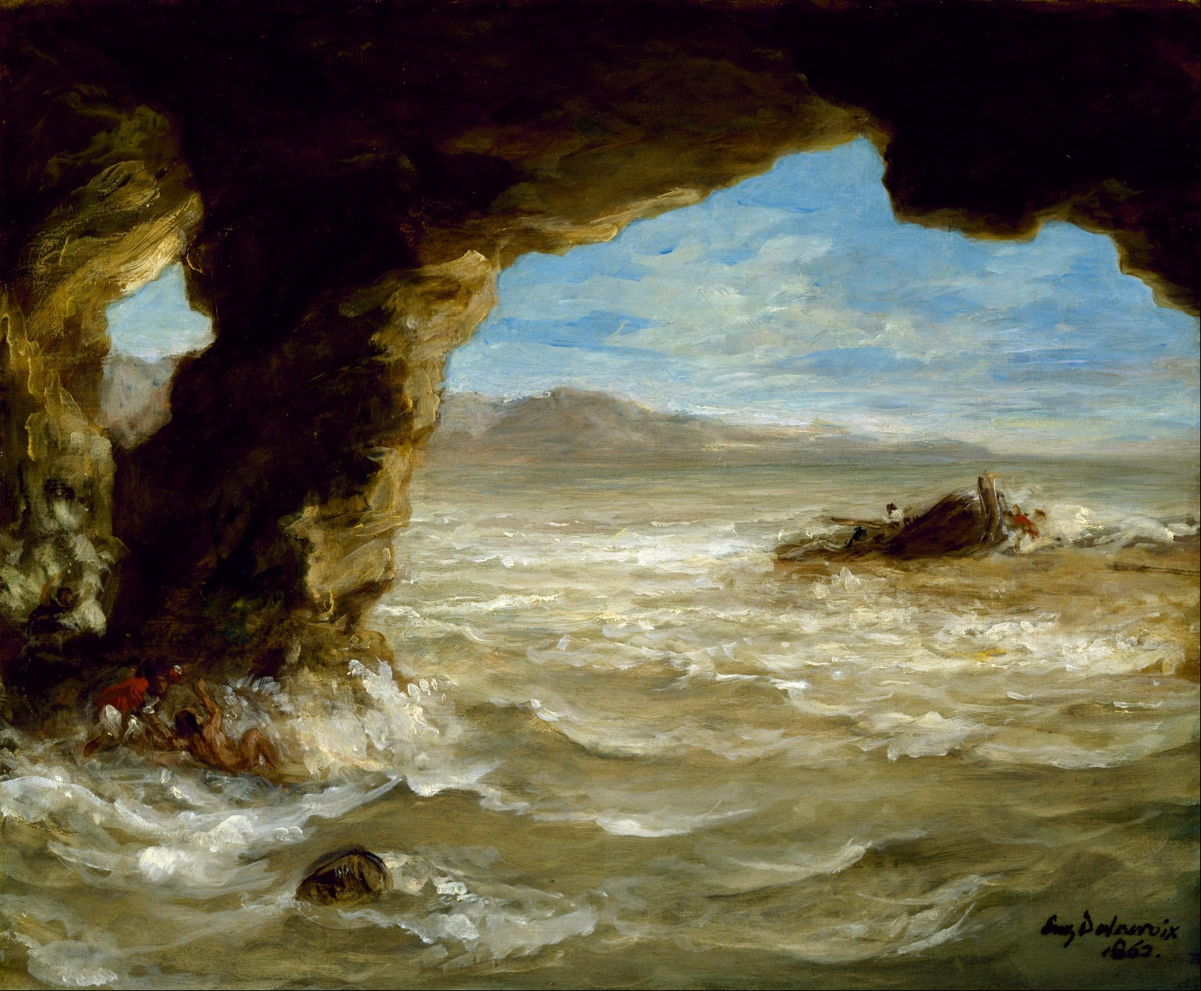
Paintings 1860-63. Angelica and the Wounded Medoro (c 1860). Ovid among the Scythians, 1859 and 1862. Shipwreck off a Coast (1862). 15 Final narratives
The Hartmann Seasons, 1856-63. 16 Seasons
Ten major works from forty years of painting, The Barque of Dante (1822) to Shipwreck off a Coast (1862). 17 Masterworks

Delacroix as a colourist, early experiments with colour separation, painterly style, and advanced colour harmony. 18 The colourist
References
Barthélémy Jobert (2018) Delacroix, new and expanded edn, Princeton UP. ISBN 978 0 691 18236 0.
Patrick Noon and Christopher Riopelle (2015) Delacroix and the Rise of Modern Art, National Gallery and Yale UP. ISBN 978 1 857 09575 3.
Lucy Norton (translator) (1995) The Journal of Eugène Delacroix, 3rd edn, Phaedon. ISBN 978 0 7148 3359 0.
Arlette Sérullaz (2004) Delacroix, Louvre Drawing Gallery, 5 Continents. ISBN 978 8 874 39105 9.
Beth S Wright (editor) (2001) The Cambridge Companion to Delacroix, Cambridge UP. ISBN 978 0 521 65077 1.
 The Eclectic Light Company